Boating Crimes Defense in Oklahoma
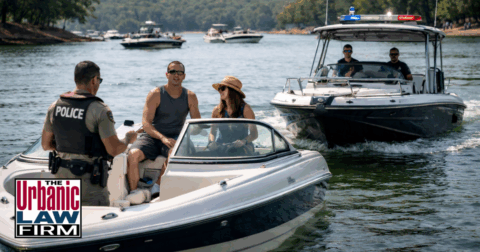 Oklahoma’s lakes and rivers should feel like a break from real life. One stop on the water, though, can quickly turn into a criminal case. Boating crimes in Oklahoma cover everything from Boating Under the Influence to serious injury crashes, equipment violations, and even boat theft and title fraud.
Many of these offenses sit inside the Oklahoma Boating Safety Regulation Act in Title 63. Because of that, prosecutors and water safety officers often treat them like DUI and traffic cases that happen on the water. You can face jail time, heavy fines, boating restrictions, and a permanent criminal record.
Accused of Boating Crimes in Oklahoma? Talk to Us Early.
If you’ve been accused of boating crimes in Oklahoma, you shouldn’t wait to see what happens next. Early action can protect your rights, preserve important evidence, and calm things down with law enforcement and prosecutors.
If you’ve been accused of boating crimes in Oklahoma, reach out for a free consultation about your situation. You can call us at 405-633-3420 or use our secure online form.
What Are Boating Crimes in Oklahoma?
Boating crimes in Oklahoma are criminal offenses tied to the operation, use, or ownership of vessels and motors on state waters. These statutes cover operating a vessel while impaired, breaking speed or no-wake rules, ignoring safety equipment requirements, mishandling marine sewage, and committing property crimes involving boats and titles.
Who Gets Charged with Boating Crimes in Oklahoma?
Most people charged with boating crimes in Oklahoma never saw it coming. You might be a weekend boater at Lake Thunderbird, a family renting a pontoon at Lake Eufaula, or a fisherman who spends every free day on the water. However, once alcohol, crowded coves, or high speeds enter the picture, the risk of arrest jumps.
Officers may arrest you for Boating Under the Influence after a dockside stop or a crash. They may also cite you for reckless or negligent operation when you pull skiers close to other vessels or cut across traffic. Investigators can also charge owners and buyers when a vessel’s identification number or title history raises questions.
How Oklahoma Boating Crimes Are Investigated and What Evidence Matters
Many boating investigations in Oklahoma start with a safety check, a noise complaint, or a call about dangerous wakes. Others start after a collision, an injury, or a near miss on a busy weekend. Officers can come from the Oklahoma Highway Patrol marine division, county sheriff’s departments, or local agencies around popular lakes and rivers.
Key evidence often includes officer reports, body camera footage, handheld video, and photos of your vessel, wake, and any damage. In BUI cases, blood or breath test results, refusal paperwork, and detailed observations of your balance or speech carry a lot of weight. For accident and negligent homicide charges, investigators may pull GPS data, marina surveillance video, phone records, and statements from passengers and nearby boaters.
Because many boating cases hinge on distance, speed, and visibility, accident reconstruction and time-of-day evidence often matter. Photos of markers, no-wake buoys, and diving flags can show what you actually saw from the helm.
What a Boating Crimes Defense Lawyer Does
When you face boating charges, you don’t just need someone who “handles criminal law.” You need a defense lawyer who understands how Oklahoma applies DUI-style rules to the water, how officers train, and how local courts treat these cases. Each statute in this category has specific elements, so your lawyer should break the case down statute by statute.
Your defense lawyer can review every report and video, challenge illegal stops, and attack weak BUI testing. We can also push back on inflated speed, wake, and capacity claims. In addition, we work to negotiate reductions or dismissals when the evidence doesn’t support the original charge. Many boating cases run through district courts that you can see on our Oklahoma state courts page, and we help you navigate those systems step by step.
Types of Boating Crimes in Oklahoma
Oklahoma boating laws fall into several major categories. Some focus on alcohol and impairment. Others address unsafe operation, serious injury or death, passenger safety, equipment and sewage, and vessel theft or fraud. Below you’ll see a broad overview of each category with examples of statutes that may apply to your case.
Alcohol-Related Boating Offenses and BUI Charges
Boating Under the Influence under 63 O.S. § 4210.8 works a lot like a DUI case on the road. Officers watch your behavior, your balance, and your speech during the stop. Then they may request a breath or blood test under 63 O.S. § 4210.11. The heat, motion of the boat, and time in the sun can all affect how you look and feel, so your lawyer can highlight those issues.
Oklahoma law also targets people who give someone permission to operate a vessel while that person is under the influence under 63 O.S. § 4210. You might face charges even if you didn’t touch the controls when officers arrived. Because alcohol and boating often go together during summer weekends, prosecutors tend to push these cases hard to “send a message.” A focused, evidence-driven defense can level that playing field.
Unsafe Operation, Speed, and Capacity Violations
This category covers how you operate your vessel around other people and boats. Reckless or negligent operation under 63 O.S. § 4210 can include weaving through traffic, cutting sharply across another boat’s path, or pulling skiers and tubers too close to other vessels. Speed Limit Violations After Sunset under 63 O.S. § 4219 bring in low-light conditions, so officers may claim you couldn’t react in time even when nothing actually happened.
Overloading a vessel or exceeding its horsepower capacity under 63 O.S. § 4210 can lead to charges even when everyone stays dry. The statute focuses heavily on risk, not just actual harm, so holiday weekends often bring a spike in citations. You can also receive a citation for failing to provide required life jackets under 63 O.S. § 4206. Operating too close to other boats or ignoring right-of-way rules under 63 O.S. § 4210 can add even more counts to a single stop.
Serious Injury, Death, and Officer-Related Boating Charges
When someone suffers serious injury or dies, Oklahoma law quickly moves into felony territory on the water. Negligent Homicide by Vessel under 63 O.S. § 4210.1 applies when a death occurs within a year after operation in reckless disregard for others’ safety. The phrase “reckless disregard” has a specific legal meaning, so your attorney can push the court to apply that standard correctly to your exact facts.
Attempting to elude officers in a vessel under 63 O.S. § 4210.2 involves speeding up or trying to escape after a clear signal to stop. Officers may also charge you with failure or refusal to comply with a lawful order of a water safety enforcement officer under 63 O.S. § 4221. Unlawful transportation of weapons in a vessel under 63 O.S. § 4210.3 and violations of no-wake restrictions under 63 O.S. § 4210.4 often stack onto those counts, especially after a chase or a high-profile incident.
Passenger Safety and Recreational Activity Violations
Oklahoma boating law doesn’t only focus on the driver. It also regulates where passengers can sit, stand, and ride. Prohibited sitting, riding, or standing under 63 O.S. § 4210.6 addresses people hanging off the bow, riding on the swim platform while underway, or sitting on the gunwale at speed. Failure to provide or maintain required safety rails or lines under 63 O.S. § 4210.7 can also bring charges when your boat doesn’t meet required safety standards.
Diving flag rules under 63 O.S. § 4211 and distance limits for inner tubes, air mattresses, and floating chairs under 63 O.S. § 4211.1 protect swimmers and people floating near shore. Parasailing, water skiing, and towing person violations under 63 O.S. § 4212 focus on the towing vessel, observer requirements, and safe distances from other traffic. These activities usually happen in busy coves, so officers often rely heavily on their own impressions. Video, GPS tracks, and witness statements can give the court a more accurate picture.
Equipment, Sewage, and Accident-Related Duties
Operating a vessel without required equipment under 63 O.S. § 4208 can include missing fire extinguishers, navigation lights, whistles, or other safety gear. Officers sometimes misread what the statute requires for your specific vessel size or type, so your lawyer can compare the law to your exact setup. A careful review of photos and purchase records often helps.
Improper disposal of marine sewage or marine toilet violations under 63 O.S. § 4213 aim to protect Oklahoma waters from contamination. Failure to render assistance or properly report a boating accident under 63 O.S. § 4214 can bring charges even when you didn’t cause the crash. Adrenaline and confusion usually run high after an accident, so it’s important to look closely at timing, your ability to give aid, and whether officers clearly explained your reporting duties.
Boat Theft, Fraud, and Tampering with Vessels
Some boating cases never involve a wake, a cove, or a crowded holiday weekend. Instead, they focus on ownership, titles, and identification numbers. Unlawful possession of a vessel or motor under 63 O.S. § 4209 can apply when officers believe a boat or motor is stolen or converted. Paperwork mistakes, family transfers, and informal cash sales can confuse that picture and lead to unfair charges.
Removal or falsification of a vessel identification number under 63 O.S. § 4209.2 and false reports of theft or conversion under 63 O.S. § 4209.6 count as serious property crimes. Statutes like 63 O.S. § 4209.3 and 63 O.S. § 4209.4 cover false statements in title applications and altered certificates of title. These cases often hinge on documents, dealer practices, and database entries. Your defense may focus on who actually completed the forms, what the dealer or prior owner said, and whether law enforcement jumped to conclusions.
Defense Strategies in Oklahoma Boating Crime Cases
No two boating cases look the same. However, many strong defenses rely on a few recurring strategies that we customize to your facts, the statutes involved, and the lake or river where everything happened.
- Challenging the basis for the stop or boarding of your vessel, including whether officers had reasonable suspicion or followed Oklahoma boating enforcement rules.
- Attacking BUI testing procedures, including how the sample was collected, stored, and reported.
- Arguing that your conduct didn’t meet the legal standard for reckless or negligent operation or negligent homicide by vessel.
- Using visibility, distance, and wake evidence, including photos, videos, and GPS data, to contest claims about no-wake zones, close passes, or speed after sunset.
- Producing ownership, title, and sale documents to fight vessel theft, possession, and falsified number allegations.
- Seeking charge reductions, amendments, or dismissals when the state’s evidence is weak, inconsistent, or doesn’t match the specific statute cited.
Boating Crimes in Oklahoma – FAQs
What counts as Boating Under the Influence in Oklahoma?
Under 63 O.S. § 4210.8, Boating Under the Influence in Oklahoma generally means you operate a vessel while you’re impaired by alcohol, drugs, or a combination of both. Officers may look at your behavior and balance and then use a breath or blood test under 63 O.S. § 4210.11. The state must still prove impairment or an illegal alcohol concentration beyond a reasonable doubt.
Can you go to jail for a boating accident in Oklahoma?
Yes, you can face jail time for certain boating accidents in Oklahoma, especially when someone is hurt or killed. Negligent Homicide by Vessel under 63 O.S. § 4210.1 carries potential jail and fines. Prosecutors can also charge you under 63 O.S. § 4214 if they claim you failed to render assistance or properly report the accident, even when you didn’t cause the crash.
Do boating crimes in Oklahoma go on your criminal record?
Most boating crimes in Oklahoma are criminal offenses, not simple “tickets,” so they can appear on your record. Convictions for Boating Under the Influence, negligent homicide, or vessel theft can show up in background checks and may affect employment, professional licenses, and insurance. Some lower-level equipment or operation violations may function more like traffic offenses, but you still want to protect your record whenever possible.
How do courts handle boating crimes in Oklahoma?
Courts in Oklahoma usually handle boating crimes through municipal or county district dockets, depending on where the stop or accident happened and which agency filed the charges. Prosecutors can pursue jail, fines, restitution, and boating or alcohol-related conditions. Court rules for evidence, motions, and plea negotiations mirror other criminal cases, so strong pretrial work often improves your options.
What should you do after officers cite you for a boating crime in Oklahoma?
After officers cite or arrest you for a boating crime in Oklahoma, keep your paperwork together and stay off social media about the incident. It helps to write down what you remember while it’s still fresh, including weather, visibility, and where markers or buoys were located. You should then talk with a criminal defense attorney who understands Oklahoma boating statutes so you can review the charges and build a plan.
This page is for informational purposes only and is not legal advice. Every case is unique; consult an attorney about your specific situation. Page last updated January 3, 2026. Consult the statutes listed above for the most up-to-date law.