Boating Operation Crimes Defense in Oklahoma
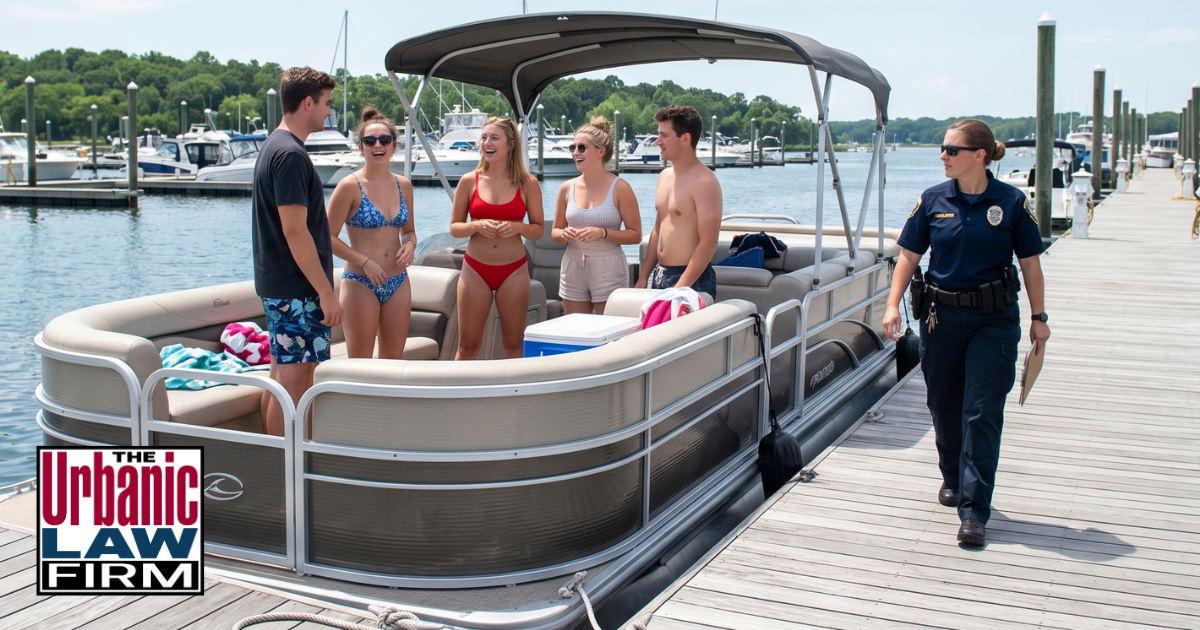 A day on the water can turn into a criminal case when an officer claims unsafe operation, excessive speed, overloading, or missing safety equipment. These cases often start with a lake patrol stop, a collision report, or a complaint from another boater.
This guide is for people accused of Oklahoma boating operation, speed, capacity, or safety-device violations. It explains what the State may claim, what evidence matters, and what defenses may apply. For the broader category, see our guide to Oklahoma boating crimes.
Accused of a boating operation offense?
If you’ve been accused of general boating operation, speed, or capacity crimes in Oklahoma, reach out for a free consultation. Early review helps preserve video, witness names, weather details, GPS data, and boat-condition evidence.
Call us at 405-633-3420 or use our secure online form.
What counts as reckless boating in Oklahoma?
Reckless boating in Oklahoma usually means the State claims you operated, manipulated, or allowed the use of a vessel in a way that endangered life or property. However, this group also covers right-of-way rules, capacity plates, horsepower limits, speed limits, close passes, sunset speed limits, and required flotation devices.
A citation doesn’t prove the charge. Because lake conditions can distort what officers see, the defense often looks at speed estimates, distance, lighting, wake, passenger weight, boat design, equipment, and who actually controlled the vessel.
How these boating cases work
What these offenses have in common
These offenses focus on vessel operation and safety. Some turn on how you drove. Others turn on passenger load, horsepower, distance from another boat, time of day, or whether required equipment was available.
In addition, prosecutors may add related allegations when the stop involves alcohol, a chase, an injury, or a conflict with officers. Common companion charges include Boating Under the Influence, Negligent Homicide by Vessel, attempting to elude officers, obstructing an officer, resisting arrest, and unlawful transportation of weapons.
Evidence officers usually rely on
Officers often rely on their own observations, body camera footage, witness statements, and photographs. They may also use damage reports, GPS tracks, marina video, weather reports, and boat-capacity information.
However, water cases can be messy. Waves, wind, glare, wakes from other boats, crowding, and poor marker placement can change the entire story.
What happens after a citation or arrest
After a boating stop, the case may go to municipal court or district court. The forum depends on the agency, the waterway, the county, and the exact offense.
Next, the defense reviews the citation, police report, videos, and any accident materials. Because many cases turn on details, photos of the boat, capacity plate, life jackets, shoreline, buoys, and visibility can matter.
General boating operation, speed, and capacity offenses
Endangering life or property by reckless or negligent operation
Endangering life or property by operating a water vessel recklessly or negligently applies when the State claims you operated, manipulated, or gave permission to operate a vessel or similar water device in a reckless or negligent manner that endangered life or property (63 O.S. § 4210(A)).
This allegation can come from a near miss, wake complaint, collision, sharp turn, crowded cove, or towing activity. However, the defense may challenge what the officer saw, whether anyone was actually endangered, and whether normal water conditions explain the event.
Failure to yield right of way in a vessel
Failure to yield right of way in a vessel applies when an authorized emergency vessel approaches with at least one visible flashing light and an audible signal. The law requires another operator to stop when practical, or yield until the emergency vessel passes, unless directed otherwise (63 O.S. § 4210(C)).
Because this charge depends on what you could see and hear, evidence about distance, noise, lighting, boat traffic, and the officer’s signal matters. Also, the phrase “when practical” can become important near docks, swimmers, rocks, or other hazards.
Overloading a vessel
Overloading a vessel applies when the State claims you overloaded, or gave permission to overload, a vessel with passengers or gear beyond the posted capacity plate, Coast Guard standards, or the manufacturer’s capacity (63 O.S. § 4210(D)).
This type of case often turns on numbers. However, the defense may need to compare the actual people, gear, fuel, and cooler weight against the correct plate or standard for that vessel.
Exceeding a vessel’s horsepower capacity
Exceeding a vessel’s horsepower capacity applies when a vessel has a manufacturer’s maximum horsepower capacity plate and the State claims you operated, or gave permission to operate, above the posted limit or Coast Guard maximum horsepower standards (63 O.S. § 4210(E)).
The statute contains an exception for sanctioned events. In regular cases, the defense may examine the plate, engine rating, vessel model, modifications, and whether the officer matched the correct motor to the correct boat.
Speeding in a vessel
Speeding in a vessel applies when the State claims you operated, drove, or had actual physical control of a vessel above an established speed limit on state waters, other than privately owned waters (63 O.S. § 4210(F)).
Because water speed can be hard to judge from a distance, the defense often looks at measurement method, officer position, GPS data, posted limits, and whether the speed limit applied where you were.
Operating a vessel too close to other vessels
Operating a vessel too close to other vessels applies when the State claims you operated any vessel, including a personal watercraft, within fifty feet of another vessel while running faster than ten miles per hour (63 O.S. § 4210(G)).
Distance, angle, and speed all matter here. In addition, the defense may question whether the officer estimated the distance accurately, whether both vessels were moving, and whether a sanctioned-event exception applies.
Speed limit violations after sunset
Speed limit violations after sunset apply on waters under Grand River Dam Authority jurisdiction. The law bars operating a vessel faster than thirty-five miles per hour from one-half hour after sunset until one-half hour before sunrise (63 O.S. § 4219).
This charge can turn on time, location, and speed. Therefore, the defense may compare sunset data, patrol location, GPS records, shoreline lighting, and whether GRDA jurisdiction actually applied.
Failure to use or provide required personal flotation devices
Failure to use or provide required personal flotation devices can apply when an operator of a vessel under twenty-six feet, while under way, doesn’t require each passenger twelve or younger to wear one. It also covers people operating, manipulating, or riding on personal watercraft, water skis, sailboards, or similar devices without an approved device (63 O.S. § 4206).
The device must be in good and serviceable condition, properly sized, and approved for the activity. However, the defense may examine whether the vessel was under way, the passenger’s age, the device’s approval label, and whether the cited person was actually responsible.
Defense strategies for boating operation offenses in Oklahoma
What we look for first is the proof of control, the officer’s viewing angle, the water conditions, and the exact statute cited. Then we compare the report against video, GPS data, photos, capacity information, and witness accounts.
- Challenge operation or control. The State may need to prove you operated, manipulated, controlled, or gave permission. Because boats often have several people nearby, that issue can be contested.
- Challenge the endangerment theory. A risky-looking maneuver isn’t always criminal. The defense may show that no person or property faced the danger claimed.
- Test speed, distance, and right-of-way proof. Officers may estimate speed or distance from a moving vessel. GPS, video, maps, and witness statements can undercut those estimates.
- Verify capacity, horsepower, and equipment facts. The defense can compare the State’s claim against the actual capacity plate, manufacturer data, Coast Guard standards, and equipment labels.
- Use lake conditions and preserved evidence. Wind, wake, glare, darkness, boat traffic, and marker placement can explain conduct that looked unsafe from the patrol boat.
Key terms in Oklahoma boating operation cases
Capacity plate
“Capacity plate” means a sign posted in view of the operator’s station on a vessel. It designates the maximum weight capacity and horsepower restrictions for safe operation. (63 O.S. § 4201) Capacity evidence often drives overloading and horsepower allegations.
Operator
“Operator” means the person who operates, has actual physical control, or has charge of the navigation or use of a vessel. (63 O.S. § 4201) This term can make control, navigation, and permission facts central.
Personal flotation device
“Personal flotation device” means only a United States Coast Guard approved flotation device. (63 O.S. § 4201) PFD cases often turn on whether the device counted and fit the activity.
Personal watercraft
“Personal watercraft” includes a vessel that uses an inboard motor powering a water jet pump as its primary power source. It’s designed to be operated by someone sitting, standing, or kneeling on the vessel, rather than inside it. The term also includes similar outboard or propeller-powered vessels and certain vessels under sixteen feet that travel on a cushion of air. (63 O.S. § 4201) This term matters in close-pass and flotation-device cases.
Actual physical control
“Actual physical control” means directing influence, domination, or regulation of any motor vehicle, whether or not the motor vehicle is being driven or is in motion. (jury instruction 6-35) Although this instruction addresses motor vehicles, the same phrase appears in vessel-speed law.
FAQs about Oklahoma boating operation offenses
What should I do after an Oklahoma reckless boating charge?
After an Oklahoma reckless boating charge, keep your citation, bond paperwork, and any officer paperwork together. Also write down the lake, time, weather, passengers, nearby boats, patrol vessel location, and anything officers said. Photos, GPS data, and witness names can help later.
Can an Oklahoma boating speed charge be reduced or dismissed?
Yes, an Oklahoma boating speed charge may be reduced or dismissed when the evidence is weak. The defense may challenge the speed estimate, the posted or applicable limit, the officer’s view, the exact waterway, and whether the State can prove operation or actual physical control.
Can an Oklahoma boating operation offense be expunged?
An Oklahoma boating operation offense may be eligible for expungement depending on the outcome, your record, and the time that has passed. Dismissals, deferred sentences, and convictions can have different rules. For more detail, review our guide to Oklahoma expungement law.
Does Oklahoma require children to wear life jackets on boats?
Yes. Oklahoma generally requires passengers twelve or younger to wear a required flotation device on certain smaller vessels while under way. Separate rules also apply to personal watercraft, water skis, sailboards, and similar devices. The facts matter because vessel size, movement, age, and device approval can affect the charge.
Can Oklahoma prosecutors use a boating crash to add more charges?
Yes. A boating crash can change how prosecutors view the case. They may look at alcohol, injury, speed, passenger safety, reporting duties, and what happened after impact. However, a crash alone doesn’t prove every required fact.
Recent Oklahoma boating case example
A KTUL report about a fatal Lake Eufaula crash described allegations that a boat struck two anchored boats at about thirty miles per hour. That kind of report shows why speed, visibility, anchored-vessel location, operator control, and post-crash conduct can become major issues in this group of offenses.
This page is for informational purposes only and is not legal advice. Every case is unique; consult an attorney about your specific situation. Law last reviewed on May 6, 2026 by attorney Frank Urbanic. Page last updated May 6, 2026. Consult the statutes listed above for the most up-to-date law.

Oklahoma Bird Law Attorneys: The Urbanic Law Firm v. Charlie Kelly

Banging More Than the Gavel! Another Judge Sex Scandal Raises Oklahoma Criminal Law Questions

Stick a fork in him! Brent Swadley convicted: Oklahoma post-trial sentencing procedure explained

When Workplace Retaliation Leads To Harm

Brent Swadley Trial Analysis: False Claims & Conspiracy to Defraud State Explained
| THESE OFFENSES IN THE NEWS |