Oklahoma BUI & Alcohol-Related Vessel Offenses Defense
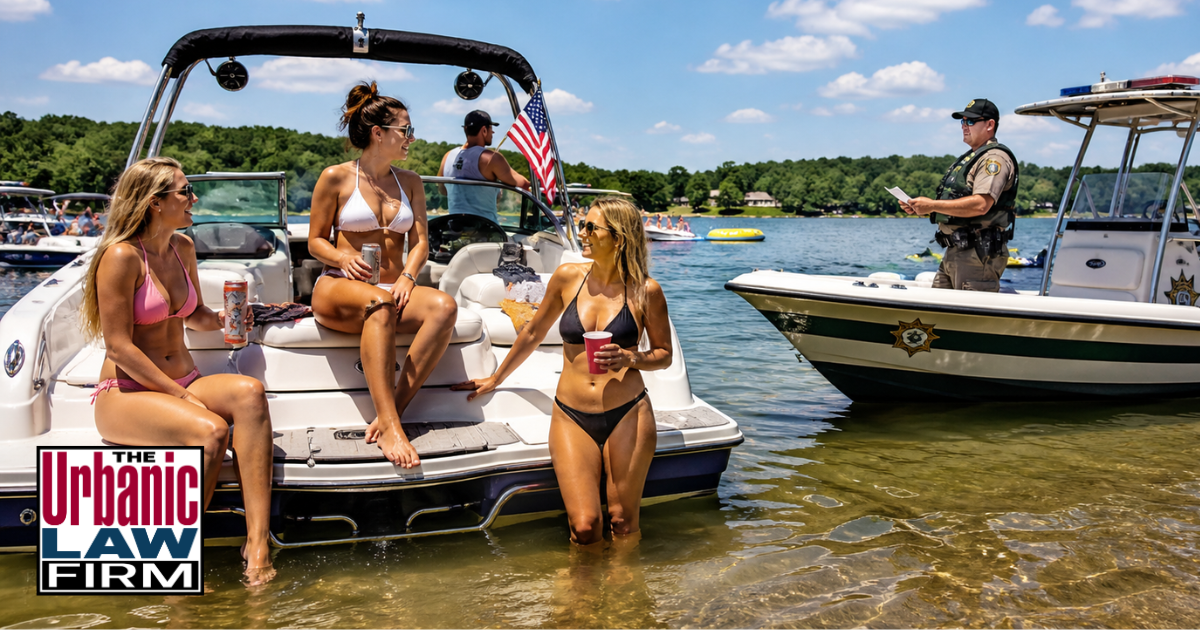 Boating under the influence and alcohol-related vessel offenses can create serious problems on and off the water. Oklahoma BUI defense often turns on more than a breath number. These cases can involve who controlled the boat, where the stop happened, how officers handled testing, and whether alcohol actually made operation unsafe.
This guide is for people accused of BUI or another alcohol-related boating offense in Oklahoma who are trying to understand the charge, what prosecutors have to prove, what penalties may be possible, how testing issues work, and what defense options may exist before court. For the broader category of boating crimes, see our Oklahoma boating crimes defense guide.
Quick links for Oklahoma BUI defense
Accused of an alcohol-related boating offense?
If you’ve been accused of BUI or another alcohol-related vessel offense in Oklahoma, reach out for a free consultation. Early review can matter because testing issues, witness accounts, and lake conditions can change the case.
Call us at 405-633-3420 or use our secure online form.
What happens if you get a BUI in Oklahoma?
If you get a BUI in Oklahoma, the State may claim you operated or had actual physical control of a vessel while impaired by alcohol, drugs, or both. A BUI case can involve officer observations, breath or blood testing, witness statements, lake conditions, and who actually controlled the boat.
However, a BUI arrest doesn’t automatically mean the State can prove the charge. The defense may challenge the stop, the officer’s observations, the test request, the test result, and whether you were truly operating or controlling the vessel.
How Oklahoma BUI and alcohol-vessel cases work
What these charges have in common
These offenses share the same basic theory. The State connects alcohol or another intoxicating substance to vessel operation, control, permission, or refusal. However, the details matter because a boat stop can involve passengers, marina staff, lake patrol officers, and multiple possible operators.
Prosecutors often add these charges to obstructing an officer, resisting arrest, eluding an officer, public intoxication, or disorderly conduct depending on the facts and nature of the encounter.
Evidence officers usually collect
Officers often rely on boating behavior, statements, odor, balance, speech, admissions, passenger accounts, and test results. In addition, videos or marina surveillance may show who touched the throttle, who docked the vessel, or who actually had command.
Because lake conditions can explain a lot, the defense shouldn’t treat every observation as proof of impairment. Waves, sun exposure, dehydration, noise, slippery surfaces, and a moving dock can affect how you look and sound.
Alcohol-related boating crimes covered here
Boating Under the Influence
Boating Under the Influence (BUI) (63 O.S. § 4210.8) applies when the State claims you operated or had actual physical control of a vessel on Oklahoma waters, other than privately owned waters, while legally impaired. The statute covers a blood or breath alcohol concentration of 0.08 or more. It also covers impairment by another intoxicating substance, or a combination of alcohol and another intoxicating substance.
Although BUI sounds like DUI, water cases look different. Officers may judge balance after you’ve been on a moving dock, in heat, or around waves. So the defense often looks at where the vessel was, who had the controls, test timing, and whether non-alcohol factors explain what officers saw.
Giving Permission to Operate a Vessel While Under the Influence of Alcohol
Giving Permission to Operate a Vessel While Under the Influence of Alcohol (63 O.S. § 4210) targets a different theory. The State may claim you leased a vessel or otherwise gave someone permission to operate it while that person was under the influence of alcohol, a controlled dangerous substance, or both.
This charge doesn’t always mean you were at the throttle. However, it does require a close look at what permission actually meant. The defense may focus on who controlled the vessel, what you knew, whether you had authority to give permission, and whether the alleged operator was actually impaired.
Refusal to Submit to BUI Testing
Refusal to Submit to BUI Testing is tied to Oklahoma’s BUI law (63 O.S. § 4210.8). Under that statute, a person operating a vessel is deemed to have consented to blood, breath, saliva, or urine testing when an officer has reasonable grounds to believe the person was operating or in actual physical control while impaired.
If the person refuses the requested test, Oklahoma law treats the refusal as a violation connected to BUI. So refusal can become evidence in the case, and prosecutors may seek the fines tied to that violation.
Defense strategies for Oklahoma BUI and vessel alcohol cases
- Challenge the stop, detention, or jurisdiction. The first issue may be whether officers had a lawful basis to stop the vessel, extend the contact, or investigate on that waterway.
- Dispute operation, control, or permission. The State may have to prove more than presence on a boat. So the defense looks at who steered, who controlled the throttle, and who had authority.
- Attack weak impairment observations. Balance, speech, and movement can look different on water. Heat, waves, fatigue, medication, and injuries may explain what officers saw.
- Review breath, blood, saliva, or urine testing. Test timing, collection rules, calibration, documentation, and chain of custody can all matter.
- Test the refusal allegation. A refusal case may turn on the arrest, the wording of the request, probable cause, and whether the officer followed the statute.
What we look for first is simple. We start with the officer’s legal basis for the stop, the proof of control, the timeline of drinking and testing, and the conditions on the water. Then we compare every claimed fact against videos, reports, witnesses, and the statute.
Key terms in Oklahoma BUI cases
Other intoxicating substance
“Other intoxicating substance” means any controlled dangerous substance as defined in the Uniform Controlled Dangerous Substances Act, or any other substance, other than alcohol, that can be ingested, inhaled, injected, or absorbed into the human body and can adversely affect the central nervous system, vision, hearing, or other sensory or motor functions. (63 O.S. § 4210.8). In this group, the term matters when the State claims drugs, medication, or a combined alcohol-and-drug theory.
Operator
“Operator” means the person who operates, has actual physical control, or has charge of the navigation or use of a vessel. (63 O.S. § 4201). This term connects the case to control, not just ownership.
Manipulate
“Manipulate” means to guide, steer or otherwise control. (63 O.S. § 4201). In this group, it helps separate a passenger from someone who took command.
Under way
“Under way” means movement of a vessel, whether by mechanical or nonmechanical means, other than movement incidental to wind, waves, or current. (63 O.S. § 4201). This term can matter near docks, marinas, and no-wake areas.
Actual Physical Control
“Actual Physical Control” means directing influence, domination or regulation of any motor vehicle, whether or not the motor vehicle is being driven or is in motion. (jury instruction 6-35). For BUI, the phrase helps frame disputes about control even when an officer didn’t see the vessel moving.
FAQs about Oklahoma BUI and alcohol-related vessel offenses
What should I do after an Oklahoma BUI arrest?
After an Oklahoma BUI arrest, save every document you received. Write down the lake, dock, weather, passengers, officer requests, test details, and anything you remember. Also avoid posting about the case online. Early facts can matter because videos, witness memories, and marina records may disappear.
Can an Oklahoma BUI charge be expunged?
An Oklahoma BUI charge may be eligible for expungement depending on the outcome, your record, and the time that has passed. Dismissals, deferred sentences, and convictions can have different rules. For more detail, review our guide to Oklahoma expungement law.
Can Oklahoma police charge BUI if the boat wasn’t moving?
Yes. Oklahoma police may still claim BUI if they believe you had actual control of the vessel. However, the defense can challenge control, access to the controls, the vessel’s location, the ability to operate, and whether the officer’s observations prove impairment.
What happens if I refused a BUI test in Oklahoma?
A refusal can become part of the prosecution’s evidence. It can also support a separate refusal allegation. However, refusal cases still have defenses. The defense may examine whether you were under arrest, whether the request was clear, whether probable cause existed, and whether the officer followed the required process.
Is Oklahoma BUI the same as DUI?
No. Oklahoma BUI and DUI share impairment and testing concepts, but they involve different statutes and different settings. BUI focuses on vessels and state waters. DUI focuses on motor vehicles and roads.
Recent Oklahoma BUI news example
A recent KXII report described a pontoon that landed on a marina walkway after a trooper said an intoxicated woman was at the throttle. The report shows why these cases often turn on more than a number. Officers may focus on control, movement, witness accounts, and the physical scene. However, the defense still tests whether alcohol caused the conduct and whether the State can prove each required fact.
This page is for informational purposes only and is not legal advice. Every case is unique; consult an attorney about your specific situation. Law last reviewed on May 6, 2026 by attorney Frank Urbanic. Page last updated May 5, 2026. Consult the statutes listed above for the most up-to-date law.

Legislative Payback or Public Safety? Sara Polston’s Shocking Constitutional Fight!

Tulsa’s “Serial Defecator” Case: Legal Analysis of a Messy Situation

Oklahoma Discovery Law Changes: 2026–2027 Guide

Oklahoma Domestic Abuse Law Updates Nov. 1: Five Big Changes

Oklahoma Stalking Case Reversed: When a Post Isn’t Enough
| THESE OFFENSES IN THE NEWS |