Maintaining a Drug House in Oklahoma: Law, Penalties, & Defenses
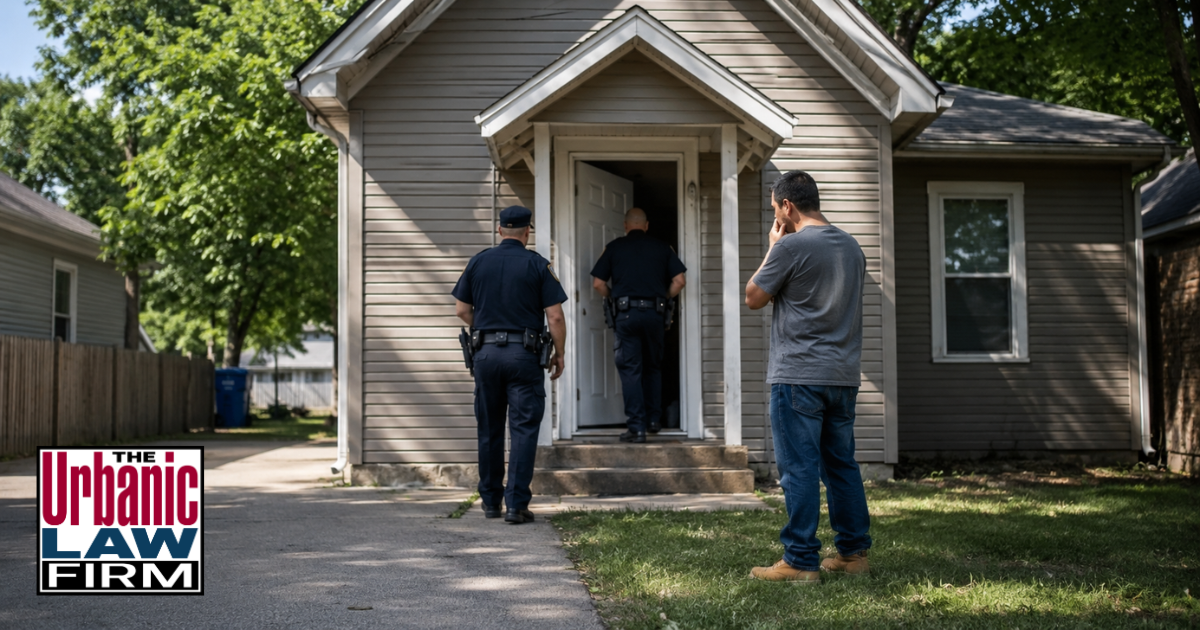 A maintaining a drug house accusation doesn’t require a stereotypical “drug house.” The alleged place may be a home, apartment, shop, vehicle, boat, aircraft, or another location. Prosecutors usually focus on who controlled it, what happened there, and whether illegal drug activity was recurring.
This guide is for people accused of maintaining a drug house in Oklahoma and trying to understand the charge, possible punishment, and defense options before court. A conviction can affect your freedom, record, housing, work, and property. The exact penalty depends on the State’s charging language, the factfinder’s findings, and your prior record.
Quick links
- Explanation of the law
- Key elements the state must prove
- Penalties for maintaining a drug house
- Collateral consequences after a drug-house conviction
- How prosecutors prove maintaining a drug house
- Practical guide if you’re charged with this crime
- What happens next
- Comparison to other crimes
- Key terms
- FAQs
- Important cases
- This crime in the news
Talk with a defense team before court
If you’ve been accused of maintaining a drug house in Oklahoma, reach out for a free consultation before making statements or consenting to another search. An Oklahoma maintaining a drug house defense attorney can review the search, claimed control, alleged pattern, and charging language early.
Call us at 405-633-3420 or use our secure online form.
Is maintaining a drug house a felony in Oklahoma?
It can become a felony only when the charging document alleges knowing or intentional conduct and the factfinder specifically finds it. Without that allegation and finding, the statute provides a civil-fine path instead. The criminal case also requires much more than drugs being found at a location.
Explanation of the law
Under 63 O.S. § 2-404(A)(6), you can’t knowingly or intentionally keep or maintain a place that people regularly use for illegal controlled-substance use. The law also covers a place used to keep or sell those substances illegally. The State must connect you to the place and connect the place to a substantial, recurring illegal drug purpose.
The location can be a store, shop, warehouse, dwelling, building, vehicle, boat, aircraft, or another place. Ownership isn’t the only issue. Control, management, access, and the ability to direct what happens there may matter more.
The law creates civil and criminal paths, so the available punishments aren’t identical. A criminal conviction requires knowing or intentional conduct to be alleged and specifically found. You can review the broader framework for related allegations on our Oklahoma drug crimes defense page.
Prosecutors may stack this count with possession of a controlled dangerous substance, possession of drug paraphernalia, possession with intent to distribute, or trafficking in illegal drugs. Each count needs its own proof, even when officers rely on the same search.
Key elements the state must prove
Jury instruction 6-12 requires proof of control, recurring activity, and a substantial illegal drug purpose. The required elements are:
- Knowing or intentional conduct
- The conduct can’t rest on accident, innocent presence, or an unknown item left by someone else.
- Keeping or maintaining the place
- The State must show control, ownership, or management.
- A visitor who merely comes to the location isn’t automatically maintaining it.
- A covered place
- The place may be a home, apartment, business, building, vehicle, boat, aircraft, or another location.
- An illegal drug-related purpose
- People often, customarily, or generally went there to use controlled substances illegally; or
- The place was used to keep or sell controlled substances illegally.
- More than one isolated event
- The activity must show some degree of habitualness.
- A substantial purpose of the place must involve illegal keeping, selling, or use.
- Limited personal-use quantities alone are insufficient.
Penalties for maintaining a drug house
The statute has a civil track and a criminal track. For a criminal conviction, maintaining a drug house is a Class D1 felony, and the punishment follows 21 O.S. § 20N.
Civil violation
- Fine
- Up to $1,000 when knowing or intentional conduct isn’t alleged and specifically found
- Corporation
- Up to $100,000 in a civil penalty when that corporate provision applies
Criminal conviction
- Prison
- First qualifying conviction: 0–5 years
- At least 20% of the sentence imposed before release from custody
- One or two prior Class C or D felony convictions
- 1–7 years in prison
- At least 20% of the sentence imposed before release from custody
- Three prior Class C or D felony convictions, or at least one prior Class Y, A, or B felony conviction
- 2–10 years in prison
- At least 30% of the sentence imposed before release from custody
- Fine
- First violation: $0–$10,000
- Second or subsequent violation of this law: $0–$20,000
- Trauma-care assessment
- $100
Your prior felony classes can increase the prison range and minimum time-served requirement. Our Oklahoma sentence-enhancement guide explains how prior convictions can change felony sentencing.
Collateral consequences after a drug-house conviction
A felony conviction can keep affecting your life after the court case ends. These penalties can reach far beyond the sentence entered in court.
- Employment and licensing: Background checks may affect hiring, promotions, security clearances, and professional licenses.
- Housing: Landlords and housing programs may deny or terminate housing based on the conviction or alleged conduct.
- Firearm rights: A felony conviction can bar firearm possession under state and federal law.
- Immigration: Drug-related convictions can create severe immigration consequences, so separate immigration advice may be essential.
- Property and finances: The State may seek forfeiture of money, vehicles, or property it claims were tied to illegal activity.
How prosecutors prove maintaining a drug house
Prosecutors usually build these cases by combining control evidence with proof of repeated illegal drug activity. One item rarely tells the whole story.
- Control records: Leases, deeds, utility bills, mail, keys, vehicle records, security codes, and personal belongings.
- Repeated activity: Surveillance, controlled buys, recurring visitors, repeated deliveries, prior searches, or a continuing investigation.
- Physical evidence: Drugs, packaging, scales, cash, ledgers, safes, storage containers, cameras, or distribution supplies.
- Digital evidence: Texts, calls, social-media messages, location data, payment apps, and doorbell or security footage.
- Statements and witnesses: Admissions, codefendant claims, informants, buyers, neighbors, officers, and other occupants.
Practical guide if you’re charged with this crime
What we look for first in a maintaining a drug house case
We first examine who actually controlled the location and whether the evidence shows a recurring, substantial illegal drug purpose. We also review the warrant, search scope, officer timeline, digital evidence, and each witness’s reason to accuse you.
Defenses
- No knowing or intentional conduct: You didn’t know about the drugs, activity, or alleged purpose of the place.
- No control or management: You were a visitor, temporary occupant, passenger, or another person without authority over the location.
- Single isolated event: One possession, visit, exchange, or discovery doesn’t establish the required habitual activity.
- No substantial illegal purpose: The place served ordinary lawful purposes, and the evidence doesn’t show that illegal drug activity was a substantial purpose.
- Unlawful search or seizure: Evidence may be excluded when officers lacked a valid warrant, probable cause, consent, nexus, or lawful search scope.
How we fight these charges
- Analyze the surveillance and investigative timeline to test whether the State can show repetition instead of one event.
- Trace leases, keys, utilities, access records, vehicle documents, and occupants to identify who actually controlled the place.
- Challenge the warrant affidavit, informant reliability, claimed nexus, consent, and search scope through targeted motions.
- Separate your conduct from the acts and statements of roommates, visitors, passengers, or codefendants.
- Test lab results, chain of custody, phone extractions, financial records, and officer interpretations against the original evidence.
How The Urbanic Law Firm helps in a drug-house case
- Organize reports, videos, warrants, lab records, messages, and court filings into a clear case timeline.
- Communicate about settings, deadlines, risks, choices, and developments without leaving you to guess.
- Prepare you for court appearances, testimony decisions, evidence hearings, and trial-related choices.
- Coordinate investigators, experts, records requests, witnesses, and preservation demands when the case needs them.
- Protect your priorities by considering work, housing, licensing, family, immigration, and long-term record concerns.
Questions to ask your attorney
- What facts does the State claim show I controlled or managed the location?
- What evidence supposedly proves activity beyond one isolated event?
- Does the warrant affidavit connect the alleged activity to this exact place?
- Which evidence may be suppressed or excluded, and why?
- How could my prior convictions affect the prison range or minimum time served?
Things you can do if you’re arrested for this crime
- Remain silent about the facts until you’ve received legal advice.
- Don’t consent to additional searches of your home, vehicle, phone, accounts, or devices.
- Preserve leases, messages, access logs, receipts, camera footage, and records showing lawful use or another person’s control.
- Identify witnesses who know who lived there, who had keys, and how the location was normally used.
- Follow court orders and release conditions while your defense is being prepared.
What happens next
The next phase usually centers on the charging document, discovery, search litigation, and whether the State can present enough evidence to continue. Your case may move through a first appearance, arraignment, discovery, a preliminary hearing, motions, and trial preparation.
An Oklahoma maintaining a drug house defense lawyer can prepare you for each stage and explain what decisions are coming. For a more detailed overview of the criminal process in Oklahoma, you can read more in our Oklahoma criminal process guide.
The defense may seek dismissal, suppression, reduction of counts, or a trial. What makes sense depends on the search, control evidence, alleged pattern, prior record, and your goals.
Comparison to other crimes
The classification matters because each offense focuses on different conduct and carries different sentencing exposure. The same search can lead to several counts, but the proof isn’t interchangeable.
| Offense | Core allegation | Classification and punishment | Common defense issue |
|---|---|---|---|
| Maintaining a drug house | You controlled a place with a substantial and recurring purpose involving illegal drug keeping, selling, or use | Civil track or felony track; first felony conviction carries 0–5 years in prison | No control, one isolated event, limited personal use, or no substantial illegal purpose |
| Possession of a controlled dangerous substance | You knowingly and intentionally possessed an unauthorized controlled substance | Usually a misdemeanor for a basic first case, although substance-specific exceptions can change exposure | No knowledge, no possession, lawful prescription, invalid search, or unreliable testing |
| Possession with intent to distribute | You possessed a controlled substance and intended to distribute it | Felony ranges vary by substance, schedule, facts, and prior record | Personal use rather than distribution intent, no possession, unlawful search, or weak packaging and cash inferences |
| Trafficking in illegal drugs | The alleged drug and amount meet a listed trafficking threshold or another statutory trafficking route | Serious felony ranges tied to drug type, quantity, prior record, and whether aggravated trafficking is alleged | Weight, usable quantity, substance identity, possession, search legality, or chain of custody |
Key terms
Controlled dangerous substance
A drug, substance, or immediate precursor in Schedules I through V, or one temporarily or permanently listed as federally controlled. A conflict about the schedule is resolved in favor of state law. (63 O.S. § 2-101)
The alleged substance must fall within that legal definition before it can support the drug-related purpose claimed in this case.
Knowing
Being aware of the facts that make an act or omission criminal; awareness that the conduct violates the law isn’t required. (21 O.S. § 96 & jury instruction 6-16)
Knowledge becomes a central issue when drugs, visitors, or another occupant’s conduct are attributed to you.
Keeping or maintaining
Having control, ownership, or management of the residence, structure, vehicle, or other place, as distinguished from people who only resort there to buy or use controlled substances illegally. (jury instruction 6-12)
Control helps separate a person who manages the location from a guest, passenger, buyer, or temporary visitor.
FAQs
Can one drug incident support a maintaining a drug house charge in Oklahoma?
One isolated event shouldn’t be enough by itself. The State must show some degree of habitual activity and that illegal drug activity was a substantial purpose of the place.
Can I face a maintaining a drug house charge in Oklahoma if I don’t own the property?
Yes, ownership isn’t required. Prosecutors may rely on management or control, but being a guest, passenger, or temporary occupant alone doesn’t establish that element.
Can texts and visitor traffic prove a maintaining a drug house case in Oklahoma?
They can become part of the State’s circumstantial evidence. The defense can challenge who authored the messages, what they mean, whether the visitors were tied to illegal conduct, and whether the evidence proves a recurring substantial purpose.
Can a maintaining a drug house case in Oklahoma be expunged?
Possibly. Eligibility depends on the outcome, waiting period, prior record, and other statutory conditions. Our Oklahoma expungement law guide explains the main record-clearing routes.
Can Oklahoma prosecutors file multiple counts in a maintaining a drug house case?
Yes. They may also file possession of a controlled dangerous substance, possession of drug paraphernalia, possession with intent to distribute, or trafficking in illegal drugs. Each count still requires proof of its own elements.
Important cases
Meeks v. State, 1994 OK CR 20, 872 P.2d 936, held that the State must show more than one isolated incident and a substantial drug-related purpose. The court also explained that illegal activity needn’t be the primary purpose of the residence.
Dodd v. State, 1994 OK CR 51, 879 P.2d 822, reversed a conviction involving a vehicle. Repeatedly driving the same truck and using it to transport marijuana didn’t prove that keeping or selling drugs was a substantial purpose of the vehicle.
These cases make the substantial-purpose and recurring-activity requirements central defense issues. The State can’t replace either requirement with suspicion or drug evidence alone.
This crime in the news
A KTUL report dated July 30, 2025, described arrests involving Bennie Pettigrew and Nakharia Simmons in Tulsa, Tulsa County. Police said they questioned Pettigrew after an alleged bus-station exchange, then found 318 grams of methamphetamine during a residential search. The report said Pettigrew faced possession with intent to distribute and trafficking in illegal drugs, while Simmons was accused of trafficking in illegal drugs, child endangerment, and maintaining a drug house. The report illustrates why prosecutors combine alleged exchanges, a residence search, drug quantity, and occupancy evidence. Those allegations still don’t resolve whether Simmons controlled the home or whether recurring illegal drug activity was a substantial purpose of it.
This page is for informational purposes only and is not legal advice. Every case is unique; consult an attorney about your specific situation. Law last reviewed on August 5, 2026 by attorney Frank Urbanic. Page last updated August 5, 2026. Review the statutes cited on this page for the most current version of the law.

Two Votes, One Prison Cell: Sara Polston’s Oklahoma Voting Nightmare!

Legislative Payback or Public Safety? Sara Polston’s Shocking Constitutional Fight!

Tulsa’s “Serial Defecator” Case: Legal Analysis of a Messy Situation

Oklahoma Discovery Law Changes: 2026–2027 Guide

Oklahoma Domestic Abuse Law Updates Nov. 1: Five Big Changes
| THIS OFFENSE IN THE NEWS |