Powdered Alcohol and Alcohol Inhalation Device Crimes Defense in Oklahoma
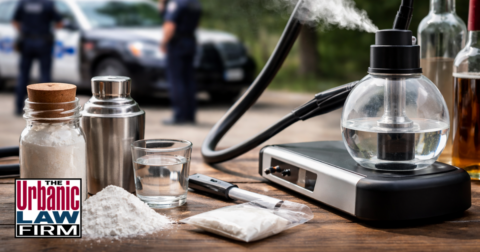 These Oklahoma alcohol charges focus on newer or unusual ways to use or deliver alcohol. So, the cases often turn on product type, device design, possession, and what officers say they found. They can move fast because police, prosecutors, and the ABLE Commission may all look at the same facts from different angles.
Although these offenses may sound narrow, they can still create real criminal exposure. In addition, they can trigger licensing problems for businesses and license holders. If you want a broader look at how these cases fit within Oklahoma alcohol crimes, this group sits on the edge of alcohol control, public safety, and repeat-offense escalation.
Get ahead of the case early
If you’ve been accused of powdered alcohol or alcohol inhalation device crimes in Oklahoma, reach out for a free consultation as early as you can. Because these cases can involve seized items, statements, and business records, early review often matters.
Call us at 405-633-3420 or use our secure online form.
What these charges have in common
These offenses target alcohol in forms or delivery methods that Oklahoma treats as outside normal sale and service rules. Because of that, the fight often centers on classification. Was the substance really powdered alcohol? Was the item really an alcohol inhalation device? Did you know what it was? Did you actually possess it? Those questions show up again and again.
Charging patterns also matter. For example, a powdered alcohol case can get more serious after prior convictions. A device case can bring separate licensing fallout even though the core criminal penalty is a misdemeanor fine. In some files, prosecutors also add counts tied to intoxication, open container conduct, underage alcohol issues, or business-license allegations, depending on what else police say happened.
The charges in this group
Powdered Alcohol
Oklahoma prohibits powdered alcohol under Powdered Alcohol Prohibited (37A O.S. § 6-129). The statute defines “powdered alcohol” as alcohol prepared or sold in a powder form for either direct use or reconstitution. It also makes it unlawful to use, offer for use, purchase, offer to purchase, sell, offer to sell, or possess powdered alcohol.
So, these cases usually turn on what the material was, how it was packaged, and what police can prove you knew about it. If the allegation involves a licensed business, the facts may widen fast. Records, surveillance, staff statements, and seized product can all become part of the file. Repeat allegations matter here because the punishment structure escalates sharply after earlier convictions.
Alcohol Inhalation Devices
Oklahoma also bans alcohol inhalation devices under Buying, Selling, Furnishing, Manufacturing, or Possessing Alcohol Inhalation Device or Alcohol Infuser (21 O.S. § 1220.1). The law reaches devices capable of causing a blood or breath alcohol concentration in the human body by fumes, vapors, gases, air particles, or matter inhaled directly into the central nervous system by mouth or nasal passages.
However, the real issue is often whether the item actually fits that definition. A defense may focus on device purpose, actual capability, product design, or whether the item falls within the medicinal-use exemption. In addition, these allegations can create immediate business consequences because the statute bars licensure for consumption of alcohol from those devices and calls for permanent license revocation after conviction.
Penalties and common charging patterns
Penalty exposure is one reason these cases deserve careful review. So, even when the facts look small at first, the legal consequences may not be. Here are the basic ranges under current Oklahoma law:
- Powdered alcohol: first offense is a misdemeanor with up to 30 days of imprisonment and a fine up to $300; second offense is a misdemeanor with up to 6 months of imprisonment and a fine up to $750; third or subsequent offense is a Class D3 felony with up to 2 years in the Department of Corrections and a fine up to $3,000.
- Alcohol inhalation devices: the statute makes the offense a misdemeanor punishable by a $5,000 fine. The text of § 1220.1 does not set a jail term. It also blocks licensure for consumption of alcohol from those devices and requires permanent revocation of any license issued to a person convicted under that section.
Because of those differences, charging strategy often matters as much as the label. A powdered alcohol case may be charged with an eye toward prior convictions. An inhalation-device case may be used to pressure a plea because of business-license risk. Still, the facts have to fit the statute, and that often gives the defense room to work.
Defense strategies for these Oklahoma cases
- Challenge the classification of the product or device. The State still has to prove the seized item fits the statute it chose.
- Dispute possession or control. Proximity alone doesn’t always prove you possessed an item in a legally meaningful way.
- Contest knowledge. Because unusual products and devices are involved, proof that you knew what the item was may become a real issue.
- Exclude unlawfully obtained evidence. If officers lacked legal grounds for the stop, search, seizure, or interrogation, key proof may be vulnerable.
- Use the exemption when the facts support it. In an inhalation-device case, the medicinal-purpose exemption may matter if the device was intended or used for that lawful purpose.
Key terms
Powdered alcohol
“Powdered alcohol” means alcohol prepared or sold in a powder form for either direct use or reconstitution. (37A O.S. § 6-129)
Alcohol inhalation device
An alcohol inhalation device includes a device capable of causing a blood or breath alcohol concentration in the human body by fumes, vapors, gases, air particles, or matter inhaled directly into the central nervous system by mouth or nasal passages. (21 O.S. § 1220.1)
Alcoholic beverage
An alcoholic beverage includes a liquid or solid, patented or not, containing alcohol, spirits, wine, or beer and capable of being consumed as a beverage by human beings. (37A O.S. § 1-103)
Willful
Willful means purposeful. It involves a willingness to commit the act or omission referred to and does not require any intent to violate the law, to injure another, or to acquire any advantage. (21 O.S. § 92)
Knowingly
Knowingly means with personal awareness of the facts. (21 O.S. § 96; jury instruction 4-51)
FAQs about these charges in Oklahoma
Is powdered alcohol illegal in Oklahoma?
Yes. Oklahoma law makes it unlawful to use, purchase, sell, or possess powdered alcohol, and repeat convictions can raise the punishment from a misdemeanor to a felony.
Are alcohol inhalation devices illegal in Oklahoma?
Yes. Oklahoma law prohibits buying, selling, furnishing, manufacturing, or possessing an alcohol inhalation device or alcohol infuser, subject to a medicinal-purpose exemption in the statute.
Can a powdered alcohol charge become a felony in Oklahoma?
Yes. A first and second powdered alcohol conviction are misdemeanors, but a third or subsequent conviction is treated as a Class D3 felony under the current statute.
Does an alcohol inhalation device charge carry jail time in Oklahoma?
Section 1220.1 makes the offense a misdemeanor punishable by a $5,000 fine. The text of that statute does not set a jail term.
Can an alcohol-related license be affected by these allegations in Oklahoma?
Yes. License consequences can be serious. The powdered alcohol statute has special language directed at license holders, and the inhalation-device statute calls for permanent revocation of a license issued to a person convicted under that section.
This page is for informational purposes only and is not legal advice. Every case is unique; consult an attorney about your specific situation. Page last updated March 5, 2026. Consult the statutes listed above for the most up-to-date law.