Animal Theft Crimes Defense in Oklahoma
 Animal theft cases feel personal because they target your animals, your work, and your reputation. Oklahoma law treats many of these accusations as serious property crimes, not minor disputes. Prosecutors often assume you planned to steal valuable livestock or pets rather than made an honest mistake.
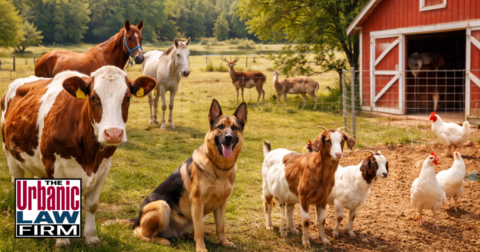
These statutes cover horses, cattle, goats, sheep, dogs, poultry, exotic livestock, and even domesticated fish and game. Because the animals support families and businesses, penalties can jump quickly and may reach felony levels. You need someone who understands both Oklahoma property law and the realities of ranching, farming, and pet ownership.
Quick links for this page
Get help with animal theft charges in Oklahoma
If police or prosecutors accuse you of animal theft crimes in Oklahoma, reach out for a free consultation now. Call us at 405-633-3420 or use our secure online form.
How animal theft crimes fit into Oklahoma property law
Animal theft crimes sit inside Oklahoma’s broader theft and property framework, but they rely on special rules. Instead of focusing on cash or vehicles, these statutes focus on living property that can move or wander. Because of that, investigators often treat an accusation like rustling or pet theft as proof of a larger scheme.
Prosecutors may stack these counts with general larceny, receiving stolen property, conspiracy, or even animal cruelty allegations. They also use forfeiture tools to seize animals, vehicles, trailers, and sometimes business equipment connected to the case. For a bigger picture of theft law, you can also review our main Theft and Property Crimes page.
What these charges share is a focus on ownership, identification marks, and your intent when you handled the animal. Brand inspectors, veterinarians, neighbors, and video from barns or kennels often drive the State’s narrative. So it helps when your defense lawyer understands those records, understands rural life, and knows how to challenge weak proof.
Common animal theft and livestock offenses
Below are the main Oklahoma animal theft and related offenses that we see in ranch, farm, and pet cases. Each one ties into a specific statute and comes with its own proof issues and defense angles. This page gives you a quick roadmap, not every possible detail of the law or penalties.
Larceny of horses, cattle, and similar livestock
Larceny of domestic animals covers theft of any horse, jackass, jennet, mule, cow, or hog (21 O.S. § 1716(A)). Prosecutors often treat these cases as grand larceny because the animals carry special protection under Oklahoma law.
Investigations usually center on ownership records, brands, ear tags, and witness accounts about where the livestock came from. Defense work often digs into billing records, pasture leases, and prior dealings to show a civil dispute instead.
Larceny of dogs, sheep, or goats
Another part of the animal larceny statute targets theft of dogs, sheep, and goats when someone claims you took them. These cases often grow out of open range situations, shared grazing, or neighbor disputes over who owns which animals.
So your defense may rely on maps, fencing history, vet bills, and text messages that show a long standing agreement. It also helps to challenge any attempt to assume criminal intent from nothing more than animals crossing property lines.
Grand larceny of exotic livestock
Larceny of exotic livestock covers deer, elk, and other farmed exotic animals with market value (21 O.S. § 1719.2). Because these animals can be worth tens of thousands of dollars, prosecutors usually push for aggressive felony treatment.
Cases often involve game ranches, breeders, transport companies, and detailed records about bloodlines, sales, and insurance. So your defense may focus on chain of custody, contract terms, animal identification, and whether someone else controlled the herd.
Larceny of a dog
Dog larceny charges rely on a statute that makes dogs property and punishes their theft (21 O.S. § 1718). These cases often start with accusations that you took a pet, a hunting dog, or a breeding animal.
Evidence may include microchip scans, registration papers, text messages, or social media posts about lost and found dogs. Your defense can highlight shared care arrangements, incomplete proof of ownership, or an honest attempt to rescue a stray.
Larceny of domestic fowl
Larceny of domestic fowl covers theft of chickens, turkeys, ducks, and similar barnyard birds (21 O.S. § 1719). Prosecutors may file these charges after accusations involving backyard flocks, small farms, or large commercial chicken houses.
Evidence can include coop footage, feed store receipts, and neighbor testimony about missing birds or changed flock sizes. So your lawyer may focus on gaps in that timeline, shared bird care, or mix ups in counting and identification.
Larceny of domesticated fish and game
Larceny of domesticated fish and game applies to fish or game raised in captivity, not wild stock (21 O.S. § 1719.1). These cases often come from commercial fish farms, pay to fish lakes, or private game preserves.
Defense strategies can question whether animals counted as domesticated, whether you had permission, and whether records match the claimed loss.
Unlawfully possessing a stray animal
Under the Stray Animal Act, you can face charges for unlawfully keeping a stray animal (4 O.S. § 85.11). These cases often start when someone keeps cattle or other livestock that appear stray without contacting officials.
Defense work may focus on whether you reasonably believed the owner abandoned the animal, or whether you followed the statute. It also helps to look closely at how law enforcement and animal control handled the seizure and any notice requirements.
Defense strategies for animal theft crimes in Oklahoma
Certain defense themes repeat across animal theft and stray animal cases, even though every situation stays unique. Your lawyer can tailor these ideas to the facts, the charging document, and the court that handles your case.
- Dispute ownership and value. Many cases break down when you show unclear ownership, shared care, or low value that changes charges.
- Challenge intent to steal. Prosecutors must prove you meant to permanently deprive the owner, not simply move or protect animals.
- Attack identification of the animals. Brands, microchips, tags, and photos can be confusing, especially when herds mix or records stay outdated.
- Expose Stray Animal Act or seizure violations. Officers and animal control must follow notice, holding, and forfeiture rules, and mistakes can support dismissal or suppression.
- Present alternative explanations. You may show you took animals to secure them, care for them, or resolve a genuine dispute.
Key terms in animal theft cases
Larceny
Larceny means taking personal property through fraud or stealth (21 O.S. § 1701 & jury instruction 5-106). The State must also show you acted with intent to deprive another person of that property.
Domestic animals
Domestic animal includes cattle, horses, mules, sheep, goats, jennets, dogs, jackasses, and hogs (jury instruction 5-106).
Exotic livestock
Exotic livestock means commercially raised animals in the bovidae, cervidae, and antilocapridae families and ratite birds (21 O.S. § 1719.2).
Animal theft crimes FAQs
What counts as an animal theft crime in Oklahoma?
Animal theft crimes in Oklahoma include stealing livestock, pets, domestic birds, and domesticated fish or game from their owners. The law also covers unlawfully keeping stray livestock instead of following the required reporting and return procedures. In many situations, prosecutors treat these accusations as serious property offenses, not simple misunderstandings.
Are animal theft charges in Oklahoma always felonies?
Some animal theft charges carry felony level exposure, especially those involving livestock, exotic animals, or larger commercial operations. Others function more like misdemeanors, particularly lower value cases or violations tied to stray animal rules. The exact level depends on the specific statute, the animals involved, and any prior record the State alleges.
Do prosecutors stack animal theft charges in Oklahoma with other crimes?
Yes, prosecutors often stack animal theft counts with general larceny, receiving stolen property, forgery, or animal cruelty charges. They may also add conspiracy, false reporting, or brand and mark violations when they claim a larger scheme. Because stacking raises risk, you need a defense plan that looks at every count and enhancement together.
What evidence do prosecutors use in Oklahoma animal theft cases?
Prosecutors in Oklahoma rely on brand inspection records, vet records, sales contracts, photos, and video from barns or pens. They often use witness statements from neighbors, ranch hands, or animal control officers about who handled which animals. So your defense should test each piece of evidence, especially identification, ownership, and any claimed admissions.
How do animal theft investigations start in Oklahoma?
Animal theft investigations in Oklahoma usually start with a report from an owner, neighbor, brand inspector, or animal control officer. Sometimes a traffic stop, auction inspection, or online sale listing brings animals to law enforcement attention. Because early statements matter, you should avoid explaining things alone and instead talk with counsel before detailed interviews.
This page is for informational purposes only and is not legal advice. Every case is unique; consult an attorney about your specific situation. Page last updated March 2, 2026. Consult the statutes listed above for the most up-to-date law.