Security Equipment Crimes Defense in Oklahoma
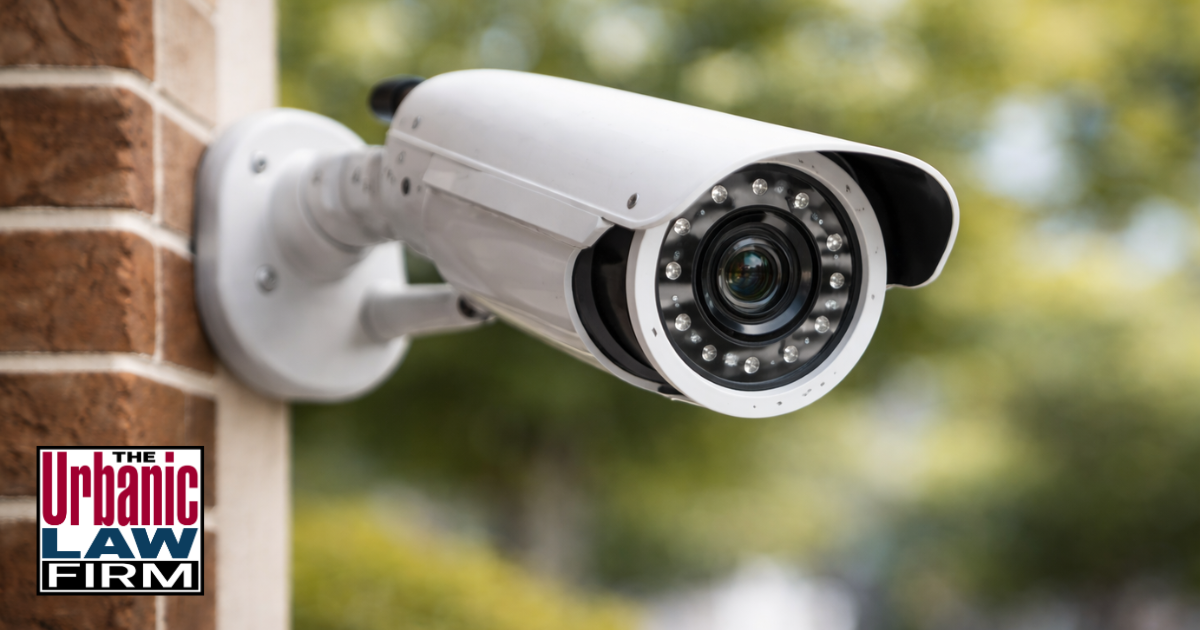 Security equipment crimes grow out of cameras, alarms, and other devices that watch a scene. Prosecutors claim you tried to block, move, or disable that gear so it couldn’t capture what happened. They treat that choice as an attack on how they prove cases, not just a small tech issue.
Because nearly every store, parking lot, and apartment has some kind of surveillance gear, police see tampering risks everywhere. They often stack these counts on top of theft, burglary, domestic, or drug charges. These offenses sit inside Oklahoma’s obstruction of justice family, alongside other obstruction of justice crimes, so they can quickly raise the pressure in plea talks and at sentencing.
Quick links on this page
Talk with a security equipment defense lawyer early
If you’ve been accused of security equipment crimes in Oklahoma, you’re usually also fighting at least one underlying case. Early advice helps you protect video evidence, challenge police assumptions, and avoid statements that sound like an admission about “why” you touched a device.
Because these counts often sit beside serious felonies, even small details in the reports can matter. If you’ve been accused of security equipment crimes in Oklahoma, reach out for a free consultation so you can understand the real risks and next steps. Call us at 405-633-3420 or use our secure online form.
How Oklahoma treats security equipment tampering charges
What these charges have in common
All of these offenses grow out of the same statute on tampering with security equipment. The law focuses on conduct toward a security or surveillance camera, or a security system, that belongs to someone else. The State claims you acted without authorization and intentionally interfered with that device.
So the prosecutor usually tries to prove four ideas. First, a real security device existed. Second, someone else owned or controlled it. Third, you knowingly messed with it in some meaningful way. Finally, the State often argues you acted to keep the device from recording, transmitting, or storing evidence about a crime scene.
Common charging patterns and stacking
These counts rarely stand alone. Prosecutors often file them along with shoplifting, burglary, robbery, domestic violence, drug, or property-damage charges. They may also add conspiracy, attempt, or other obstruction counts if they think more than one person agreed to “kill the cameras.”
Because one subsection covers basic tampering and other subsections address tampering tied to misdemeanors or felonies, the same facts can support more than one version. Sometimes the State overcharges then bargains down. You and your lawyer need to track which version applies, because the felony-related subsection can mean much harsher exposure than the basic misdemeanor form.
Types of security equipment crimes
Tampering With Security Equipment
The basic version of tampering with security equipment comes from Oklahoma’s security equipment statute (21 O.S. § 1993). It covers conduct like covering, moving, damaging, disconnecting, or otherwise interfering with a security or surveillance camera or a security system. The key idea is that you’re not allowed to alter that device when you don’t own it or have permission.
This basic count often shows up when a store claims you swatted at a camera or unplugged a recording box during an argument or minor theft. The State doesn’t need to prove a successful cover-up. Instead, prosecutors argue that any meaningful interference with the system, done intentionally, is enough to support the charge.
Tampering With Security Equipment to Avoid Detection During a Misdemeanor
The misdemeanor-avoidance version of this offense uses the same core idea but adds a purpose element. The State claims you tampered with security equipment so you could commit, attempt, or get away from a misdemeanor. That might be shoplifting, simple assault, or another lower-level offense that happens in a place with cameras.
Prosecutors like this version because it helps them frame the case as both a property crime and an obstruction case. They argue you tried to erase or block the evidence of the underlying misdemeanor. That theory can make judges more skeptical of simple “I just bumped it” explanations, so the defense often needs a clear, alternative story about what really happened.
Tampering With Security Equipment to Avoid Detection During a Felony
The felony-avoidance version is the most serious form. Here the State claims you tampered with the device while planning, committing, attempting, or fleeing from a felony. Think of burglary in a store with multiple cameras, a robbery in a parking lot, or a drug case that plays out in a camera-covered hallway.
Because this version ties your conduct to a felony, it can jump you from a lower-level case to a felony count with significant prison exposure. Prosecutors may argue that a few seconds of interference show a calculated attempt to erase evidence. Your defense may turn on whether the equipment actually worked, how long the device stopped functioning, and whether the tampering really tied to any felony conduct at all.
Defense strategies for security equipment crimes in Oklahoma
Good defenses in these cases often attack both intent and the technology itself. Every case is different, but several themes show up again and again.
- Challenge intent by showing you touched the device for a noncriminal reason, like adjusting, cleaning, or protecting it, instead of trying to block evidence.
- Question ownership when it’s unclear who controlled the camera or system, or whether anyone told you not to touch it before the event.
- Highlight technical failures by using logs, repair records, or expert testimony to show the device already malfunctioned, so the State can’t pin the outage on you.
- Separate the felony by arguing that any contact with the equipment didn’t actually relate to a felony, which can undercut the most serious version of the charge.
- Attack police procedures if officers seized devices, pulled video, or questioned you in ways that violated your rights, which can support suppression or weaken the State’s leverage.
Key terms in security equipment cases
Writings and recordings
Oklahoma evidence law treats “writings and recordings” as a single group that includes letters, words, numbers, or their equivalents recorded in any form. The statute covers items stored by handwriting, printing, photostating, photographing, magnetic impulse, mechanical or electronic recording, or other data storage methods. That category can include logs and data pulled from security systems and camera recorders. (12 O.S. § 3001)
Photographs
“Photographs” include images taken with a camera or similar process, such as still pictures, X-rays, and motion pictures. Under Oklahoma’s evidence rules, security-camera stills and video clips fall into this category when the State uses them to prove what happened during an alleged crime. In a tampering case, both sides often argue over whether these photographs fairly show how the equipment worked and what it captured. (12 O.S. § 3001)
Original
For writings and recordings, an “original” means the document or recording itself or any counterpart intended to have the same effect. For photographs, the law treats the negative or any print from it as an original. In security equipment cases, you may see disputes over whether the State has original footage from the system or only copies, which can matter when your lawyer challenges edits or missing segments. (12 O.S. § 3001)
Knowing
“Knowing” means being aware of facts that make an act or failure to act criminal in nature. A person doesn’t need to know the exact statute to act knowingly, but must understand the facts that create criminal consequences. This definition becomes important when prosecutors claim you knowingly interfered with equipment during a crime, and your defense may show you didn’t recognize those facts at the time. (21 O.S. § 96; jury instruction 6-16)
Willfully
“Willfully” means purposefully. Oklahoma law explains that willfully doesn’t require any intent to violate the law, injure another person, or gain an advantage. In a security equipment case, the State may rely on this concept to argue you purposefully moved or blocked a device, while your defense can point to confusion, accident, or reflexive conduct to undercut that claim. (21 O.S. § 92; jury instruction 6-16)
FAQs about security equipment crimes in Oklahoma
What counts as tampering with security equipment in Oklahoma?
In Oklahoma, tampering usually means doing something intentional to interfere with a security or surveillance camera or security system. That can include covering a lens, breaking or disconnecting a device, or changing its aim so it no longer records the area it should. The State still has to prove you didn’t have permission to handle the equipment and acted with a criminal purpose under the tampering statute.
Is tampering with security equipment in Oklahoma always a felony?
No. The basic version of tampering with security equipment in Oklahoma functions as a misdemeanor offense. When prosecutors say you tampered to help commit or escape from a misdemeanor, that form also generally tracks misdemeanor treatment. The most serious version, tied to avoiding detection during a felony, can be charged as a felony and can bring much harsher potential punishment.
Can I face multiple Oklahoma charges for the same security equipment incident?
Yes. You can face an underlying charge such as shoplifting, burglary, or a drug crime plus one of the tampering counts. Sometimes prosecutors file more than one version of the tampering statute and decide later which theory to pursue. Your lawyer can challenge stacked counts, argue that some versions don’t fit the facts, and push to limit the case to a single, lesser form of the offense.
Does broken or missing video help my defense in an Oklahoma tampering case?
Broken or missing video can cut both ways. Prosecutors may say a gap proves you interfered with the system, especially if the outage lines up with the time of the alleged crime. However, your defense can point to maintenance records, prior outages, or inconsistent footage to show the system failed on its own. Technical evidence often matters as much as eyewitness testimony in these Oklahoma cases.
What should I tell police if they question me about security equipment in Oklahoma?
You have the right to remain silent and to ask for a lawyer before you answer questions about security equipment or any related offense in Oklahoma. Anything you say can be used to support the State’s story about why you touched a camera or system. It’s usually safer to give basic identifying information only, clearly request an attorney, and then talk through your options during a confidential consultation.
This page is for informational purposes only and is not legal advice. Every case is unique; consult an attorney about your specific situation. Page last updated March 11, 2026. Consult the statutes listed above for the most up-to-date law.