Evidence Crimes Defense in Oklahoma
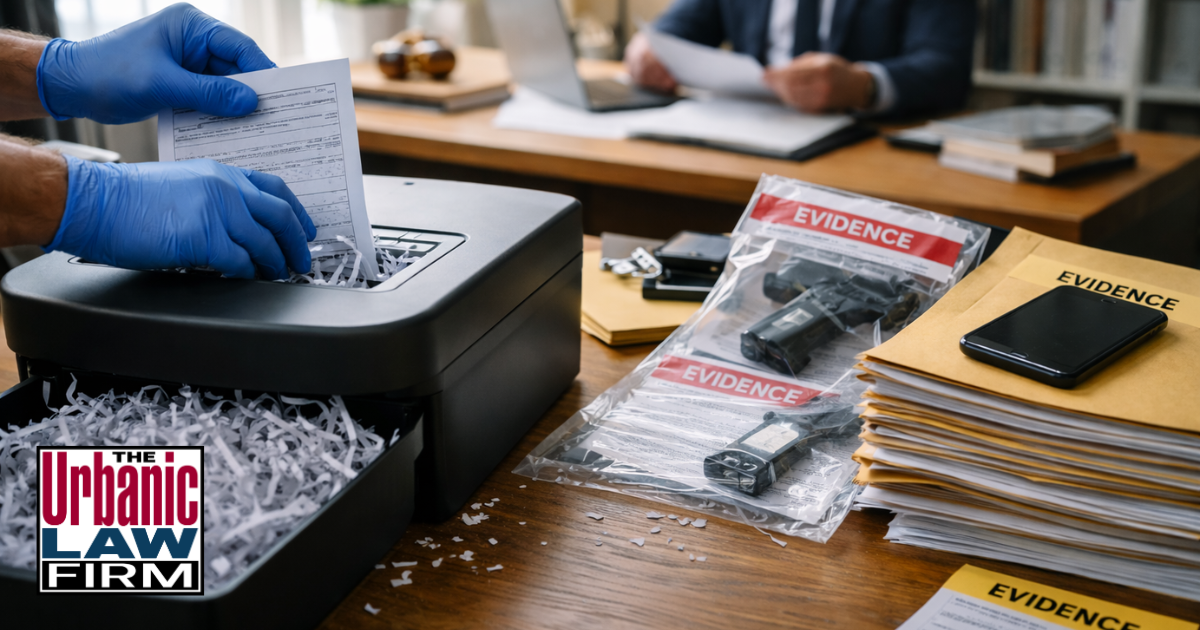 Oklahoma evidence crimes deal with anything you allegedly do to twist, hide, or destroy proof in a case. Prosecutors see these charges as direct hits on the court process. That mindset often pushes them toward aggressive filings and tough recommendations.
These cases usually grow out of another investigation. You may already face a separate charge when someone claims you tampered with documents, records, or physical items. One stressful moment can turn a single case into stacked counts that claim you tried to cheat the system.
Evidence crimes sit inside Oklahoma’s broader obstruction of justice family. They overlap with charges like resisting officers or interfering with witnesses on the main Oklahoma obstruction of justice page. This group is different because the dispute focuses on proof itself: what happened to the things that tell your story.
Quick links
Accused of evidence crimes in Oklahoma?
If the State accuses you of evidence crimes in Oklahoma, you’re fighting two battles at once. The State wants to prove the original case and also paint you as someone who tried to rig the process. Judges worry about fairness, so even one evidence count can change how they view everything that follows.
You don’t need to handle that pressure alone. A focused defense team can study timelines, digital trails, and motives the State leaves out of its story. If the State accuses you of evidence crimes in Oklahoma, reach out for a free consultation. We can talk through your facts and options. Call us at 405-633-3420 or use our secure online form.
What these evidence crimes have in common
All the crimes in this group share the same core theme. The State claims you changed what a judge, jury, or investigator would see. That claim might involve a destroyed document, a staged exhibit, or missing records that once looked harmless.
Prosecutors usually argue that you acted willfully and knew the evidence mattered. They try to show you knew a trial, hearing, or investigation was coming. Then they claim you chose to interfere with that process. They lean on texts, emails, or sudden behavior shifts to suggest a guilty mindset.
Charging patterns in this group often get messy. You may face an underlying felony plus an extra evidence count because of something that happened later. The State sometimes adds more than one of these crimes when several documents, files, or witnesses join the story.
Defenses in this area focus on intent and context. Maybe you discarded something for a normal reason or misunderstood a request. You might also rely on someone else who prepared the paperwork. Often the real dispute asks whether someone forged the item or called it fraudulent. Courts then ask whether it really mattered as evidence.
Evidence crimes in this group
Destruction of Evidence
Destruction of Evidence covers situations where you allegedly destroy or damage a book, paper, record, instrument, or other item. Destruction of Evidence (21 O.S. § 454) also requires that you know the item sits on the edge of a case. You must act to keep it away from that proceeding. These accusations often grow out of quick decisions during searches, traffic stops, or stressful confrontations.
You might delete files, throw away paperwork, wipe a phone, or move physical objects in a moment of panic. Prosecutors later claim those choices formed a plan to block the truth. A strong defense looks at timing and what you knew. It also tests whether the item really pointed toward any formal proceeding.
Offering Forged or Fraudulent Evidence
Offering Forged or Fraudulent Evidence deals with documents or other items that reach a courtroom or hearing. Offering Forged or Fraudulent Evidence (21 O.S. § 451) applies when you produce something you know someone forged or fraudulently altered and you present it as genuine. Real cases might involve edited contracts, changed medical records, or altered digital messages.
Sometimes the State says the entire document is fake. Other times it claims someone changed key parts before you used it. A careful defense examines who created the document and who handled it. It also asks whether you knew about problems before anyone used it in court.
False Preparation of Exhibits as Evidence
False Preparation of Exhibits as Evidence focuses on the way someone builds an exhibit before any hearing or trial. False Preparation of Exhibits as Evidence (21 O.S. § 453) targets creating or shaping something so it misleads a court or investigation later. Examples include staged photos, edited videos, or charts that twist underlying data.
The State often leans on experts, metadata, or conflicting versions of an exhibit to show deliberate manipulation. Your defense can highlight gaps in those opinions and show innocent reasons for the differences. It can also argue that the exhibit never played any real role in the case.
Suppressing Evidence
Suppressing Evidence centers on hiding, withholding, or interfering with material that belongs in a case. Suppressing Evidence (21 O.S. § 546) can involve steering documents out of reach or moving items that connect to the investigation. It may also involve asking someone not to produce records. These charges often appear alongside witness related counts or broader obstruction theories.
Prosecutors may frame normal conversations, delayed responses, or confusion about subpoenas as a plan to keep the truth buried. A solid defense looks at how clearly the requests read and what the evidence actually showed. It also questions whether any step truly blocked access to important proof.
Defense strategies for evidence crimes in Oklahoma
No two evidence cases look the same. Still, certain defense themes show up again and again in Oklahoma evidence crimes. Your strategy should match your exact facts and the specific statute the State chose.
- Attack intent. The State must prove you meant to affect the evidence. It cannot rely only on something that disappeared, changed, or moved during a hectic moment.
- Challenge what you knew. You can contest claims that someone forged a document you used. You can also challenge the claim that an item stood ready to appear in any case.
- Question materiality. Sometimes the item the State cares about did not really matter or already appeared somewhere else in the record.
- Pick apart the trail. Digital files, paper records, and exhibits often move through many hands, which can create reasonable doubt about who did what.
- Present an alternative story. Innocent reasons for discarding documents, changing drafts, or talking with witnesses can matter. They can show you lived your life, not plotted a cover up.
Key terms for evidence crimes
Writings and recordings
Writings and recordings means letters, words, or numbers, or their equivalent. The law covers handwriting, printing, typing, photographing, recording, and similar data methods. (12 O.S. § 3001)
Photographs
Photographs includes still photographs, x ray films, video tapes, motion pictures, and similar visual images that show events or conditions. (12 O.S. § 3001)
Original
Original of a writing or recording means the item itself or any counterpart the maker meant to match it. For photographs, original also includes the negative or any print from it. (12 O.S. § 3001)
Duplicate
Duplicate means a counterpart produced by methods that accurately reproduce the original, including photography, electronic recording, and similar techniques. (12 O.S. § 3001)
Document
Document means information inscribed on a tangible medium or stored electronically that you can retrieve in readable form. That term includes papers, reports, notes, letters, photographs, and digital files. (22 O.S. § 1373.1)
Fraudulent
Fraudulent means a false suggestion of facts or suppression of the truth. The law ties that to trick, false appearance, or other unfair ways to cheat. (jury instruction 3-35)
Oklahoma evidence crimes FAQs
What counts as destroying evidence in Oklahoma?
Destroying evidence in Oklahoma usually involves willful destruction or damage to an item. You must know the item sits on the edge of a case. Courts look at what you knew about the item and whether any official proceeding was coming. They also consider what you hoped to accomplish.
Can you still face Oklahoma evidence charges if the court later dismisses the underlying case?
You can still face Oklahoma evidence charges even if the original case shrinks or disappears. Prosecutors often treat the alleged tampering as a separate attack on the court system.
What is the difference between offering forged evidence and falsifying an exhibit in Oklahoma?
Offering forged evidence in Oklahoma focuses on what you do at the trial, hearing, or investigation. The State cares about how you present the item. False preparation of an exhibit targets the earlier step of creating or shaping that piece so it misleads people later.
Does deleting texts always count as an evidence crime in Oklahoma?
Deleting texts does not automatically create an evidence crime in Oklahoma. The State still has to show you deleted messages on purpose and knew a case was coming. It must also prove you wanted to keep those texts out of view.
How do Oklahoma courts treat confusion about subpoenas or document requests?
Oklahoma courts examine what the subpoena said, how officers delivered it, and how you responded over time. Real confusion or vague instructions can support a defense when the State claims you suppressed evidence.
This page is for informational purposes only and is not legal advice. Every case is unique; consult an attorney about your specific situation. Page last updated March 10, 2026. Consult the statutes listed above for the most up-to-date law.