Forged Instruments, Currency & Counterfeiting Crimes Defense in Oklahoma
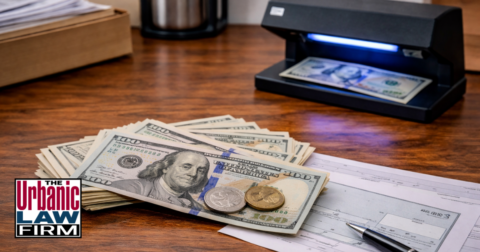 Forged instrument and counterfeiting charges can move fast. A check, note, stamp, or coin may look small at first. However, the State often treats the paper trail or cash trail as proof of intent. So, by the time you hear about the case, someone may already think the documents tell the whole story. That may be a bank, merchant, investigator, or prosecutor.
That’s not how real cases work. People handle documents for many reasons. Sometimes they don’t know an item is fake. Sometimes they never tried to pass it. Sometimes the State stretches one event into several counts. This page covers one narrower part of our broader forgery crimes in Oklahoma guide. It explains how these allegations usually work.
Quick Links
Get early help with forged instrument charges in Oklahoma
If you’ve been accused of forged instruments, currency, or counterfeiting crimes in Oklahoma, reach out for a free consultation. Do that before you try to explain the situation to police, a bank investigator, or store security. Call us at 405-633-3420 or use our secure online form.
How forged instrument and counterfeiting cases work in Oklahoma
What these allegations usually have in common
These cases usually center on one claim. The State says you knowingly handled a fake item and meant to use it as if it were real. Sometimes the accusation is about making a false coin or stamp. More often, it’s about a check, note, draft, or other writing that the State says had legal significance. Oklahoma law focuses hard on knowledge and intent. So, the fight often turns on what you knew, what you meant, and what you actually did with the item.
These cases also get paired with other charges when prosecutors think the document trail led to money or property. So, you may also see counts like obtaining property by false pretenses, identity theft, or false personation. Prosecutors also add larceny, conspiracy, or possession of stolen property in some cases. In addition, prosecutors may try to group several checks or instruments into one case. They do that if they say everything came from one plan or scheme.
Where Oklahoma forged instrument cases often turn
The State still has to prove more than suspicion. It has to connect you to the instrument or coin. It also has to show you knew it was false and had the required intent. That can be harder than it sounds. A document may pass through several hands. A message thread may be incomplete. A store clerk may remember only the transaction, not the person. Because of that, the defense often starts by slowing the case down and testing each link in the proof.
These files also depend heavily on records. Banks, merchants, surveillance systems, and phones can help the State, but they can also help you. For example, timestamps, deposit records, text messages, and location data may help. They may show you didn’t know an item was fake or didn’t present it as genuine. So, a strong defense often comes from the details the first report left out.
Crimes in this group
Sale, Delivery, or Receipt of Forged Notes or Instruments
Sale, Delivery, or Receipt of Forged Notes or Instruments (21 O.S. § 1577) usually covers forged checks, drafts, notes, or similar debt instruments. The State claims they were sold, exchanged, delivered, offered, or received for consideration. In plain terms, the accusation is that you knowingly handled a fake financial instrument as part of a transaction. Depending on value, Oklahoma can treat the offense as a misdemeanor or a felony.
These cases often rise or fall on knowledge, consideration, and identity. So, the defense may focus on what you knew and whether any real exchange happened. It may also test whether witnesses or records truly place you in the deal. Because this statute often appears in forged-check cases, investigators may sound confident early. Even so, a rushed assumption about who knew what can still break down under close review.
Possession of Forged Notes or Instruments
Possession of Forged Notes or Instruments (21 O.S. § 1578) focuses on having a forged note, bill, draft, or other evidence of debt. The State must also claim you knew it was false and meant to have it uttered. You don’t have to be the person who created the document for this charge to appear. Instead, the case usually turns on possession, knowledge, and intent.
That makes context critical. A document found in a car, house, backpack, or shared workspace doesn’t always prove knowing possession by one person. In addition, the State still has to prove the instrument fits the statute. It also has to show you meant it to be passed as true or false. So, control over the item can matter. Access by other people can matter too. So can the lack of any actual attempt to use it.
Other Forged Instruments
Other Forged Instruments (21 O.S. § 1579) is the broader possession statute for forged or counterfeited instruments not covered by the more specific debt-instrument section. It can reach a wide range of writings. The State must still say the item was forged, that you knew it, and that you meant to injure or defraud by having it uttered. Depending on value, the case may be charged as a misdemeanor or a felony.
Because this statute is broad, defense work often starts with the instrument itself. The State still has to show the writing had legal significance. It also has to show the document was false in the forgery sense and that you possessed it with the required intent. A document that merely contains lies is not always the same thing as a forged instrument. So, the exact character of the writing can become a major issue.
Publishing Counterfeited Instruments or Coins as True
Publishing Counterfeited Instruments or Coins as True (21 O.S. § 1592) is Oklahoma’s broad uttering statute. It covers offering or publishing a forged instrument or counterfeit coin as genuine. The State also claims you knew it was forged, altered, or counterfeited and meant to defraud. In real life, this is often the charge tied to passing a forged check. It can also cover presenting fake paper as valid or trying to use counterfeit coinage as real.
These accusations can look stronger than they are because the State often treats the transaction itself as the key proof. However, the defense may still challenge your knowledge. It may also challenge whether you represented the item as genuine. In some cases, the defense argues the instrument was not one the law treats as a subject of forgery. Records, video, and the exact words used in the exchange can matter a lot here.
Forgery of Coins
Forgery of Coins (21 O.S. § 1583) targets making a false gold or silver coin of the United States or a foreign country. The State says you meant to sell it, utter it, use it, or circulate it as genuine in Oklahoma. This is a classic counterfeiting-type allegation. It focuses on the making of the false coin, not just later possession or use.
That distinction matters. The State must still connect you to the creation of the false coin and prove the required intent. So, a person accused of handling a suspicious coin is not automatically the person who made it. In some cases, the real issue is possession or attempted use, not manufacture. That difference can shape both the charge and the defense.
Forgery of Postage Stamps
Forgery of Postage Stamps (21 O.S. § 1588) covers forging, counterfeiting, or altering a United States postage or revenue stamp. It also reaches selling it, or offering to keep it for sale, while knowing it was false. So, this statute can involve both the making side and the sale side of a fake stamp case. Oklahoma treats it as a serious forgery offense.
Even though stamp cases are less common than forged-check cases, the same core issues still show up. The State must prove the stamp was false, that you knew it, and that your conduct matched the statute. These cases can involve collectors, online sales, and mixed sources of items. So, ownership history and expert review may matter more than the first report suggests.
Defense strategies for forged instrument cases in Oklahoma
- Challenge knowledge. The State must prove you knew the instrument, coin, or stamp was false. Mere possession or presence near it isn’t always enough.
- Contest intent. Many of these charges require proof that you meant to defraud, injure, or pass the item as genuine. Confusion, mistake, or lack of purpose can matter.
- Dispute possession or control. A fake item found in a shared car, home, phone, or workspace doesn’t automatically belong to you.
- Attack the instrument itself. The defense may argue the writing lacked legal significance, was void on its face, or was not forged in the legal sense.
- Question aggregation and charge theory. Prosecutors may try to combine several acts into one larger case. That theory should be tested carefully against the facts.
Key terms
Intent to Defraud
When Oklahoma law requires an intent to defraud, it is enough if an intent appears to defraud any person. It also reaches any association, body politic, or corporation whatever. That broad definition matters. The State doesn’t have to claim you meant to fool one named person in a forged instrument case. (21 O.S. § 110)
Signature
“Signature” includes any name, mark, or sign written with the intent to authenticate any instrument or writing. So, in this group of crimes, the fight may center on the mark or name itself. The issue is whether it was used to make a document appear genuine. (21 O.S. § 100)
Writing
“Writing” includes printing. That short definition still matters here. Forged checks, printed forms, and other printed instruments can fall inside Oklahoma’s forgery framework. (21 O.S. § 101)
Written Instrument
A written instrument includes every instrument partly printed and partly written. It also includes a wholly printed instrument with a written signature. The term also covers every signature of an individual, firm, or corporation, and every writing purporting to be such a signature. Because of that, these cases often turn on whether the paper itself fits the law’s protected class of writings. (21 O.S. § 1625)
Utter
To “utter” means to offer a forged instrument with the representation, by words or action, that the same is genuine. That definition sits near the center of many passing or publishing allegations in this group. (jury instruction 5-91)
FAQs about forged instruments and counterfeiting in Oklahoma
What is the difference between forgery and counterfeiting in Oklahoma?
In Oklahoma, forgery often involves false writings or instruments. Counterfeiting usually points to fake currency, coins, stamps, or similar items. The exact line depends on the statute charged. Some Oklahoma statutes in this group focus on making the fake item. Others focus on possessing it or passing it as genuine.
Can you be charged in Oklahoma for possessing a forged check if you did not make it?
Yes. Oklahoma can charge possession-based forgery offenses even if the State does not claim you created the instrument. The key issues usually become possession, knowledge, and intent. The State still has to prove each one.
Does Oklahoma have to prove you knew the instrument or coin was fake?
In many charges in this group, yes. Oklahoma usually must prove knowledge that the instrument, coin, or stamp was false. That issue can be contested through the surrounding facts. The way the item changed hands can matter. So can whether the evidence shows awareness rather than assumption.
Is passing a forged check a felony in Oklahoma?
It can be. In Oklahoma, a forged-check accusation may be filed as either a misdemeanor or a felony. That often depends on value and the statute the prosecutor uses. A case may also grow more serious if the State claims several acts were part of one larger plan.
Can multiple forged checks or instruments be grouped into one case in Oklahoma?
Sometimes. Oklahoma law allows aggregation in some forgery statutes. The State must claim the acts came from one plan, scheme, or continuing course of conduct. That does not make aggregation automatic. The defense can still challenge whether the facts support grouping separate events together.
This page is for informational purposes only and is not legal advice. Every case is unique; consult an attorney about your specific situation. Page last updated March 23, 2026. Consult the statutes listed above for the most up-to-date law.