Service Animal Crimes Defense in Oklahoma
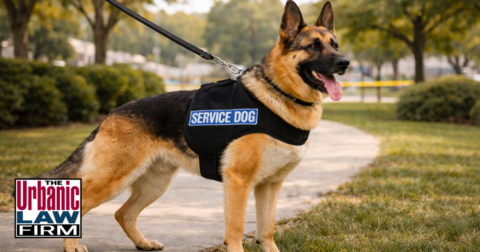 Service animal crimes focus on harm to animals that help people with disabilities live their daily lives. Because these animals act as extensions of their handlers, Oklahoma law treats interference, injury, or neglect toward a service animal as a direct attack on the person who relies on it.
You might feel blindsided if a tense moment at a store, sidewalk, or apartment complex suddenly turns into accusations that you mistreated or interfered with a service dog. Small details about distance, control, warnings, and what each animal actually did can decide whether prosecutors file a misdemeanor, a felony, or no case at all. This guide explains how these service-animal charges work and how they fit within broader Oklahoma animal crimes law so you can start making informed choices.
Quick links
Why early legal help matters in Oklahoma service-animal cases
Evidence in these cases can shift fast. Video disappears, witnesses talk to each other, and officers may only hear the handler’s version first. When you wait to get help, you give the State a head start on building a story that paints you as reckless or cruel.
If you’ve been accused of service-animal crimes in Oklahoma, reach out for a free consultation so we can start protecting your record, your freedom, and your side of the story. Call us at 405-633-3420 or use our secure online form.
Types of service-animal crimes
Unlawful Treatment of Service Dog
The core offense covers willfully harming or mistreating a service animal that works for the benefit of a person with a disability. That includes actions like beating, torturing, injuring, disabling, or killing the animal, as well as tormenting or otherwise mistreating it in a way that disrupts its work (21 O.S. § 649.3).
Prosecutors often argue that any aggressive move toward a vest-wearing dog or obvious guide animal shows intent. However, real situations are messier. You may have tried to separate animals, avoid a bite, or move quickly in a cramped space. Careful investigation into video, vet records, and the dog’s behavior can show that the State’s version stretches what actually happened.
Unlawful Treatment of Service Dog During Commission of a Crime
The same conduct becomes more serious when it happens while another misdemeanor or felony is underway. If officers say you harmed or disabled a service animal during a burglary, domestic dispute, or other charged offense, they may add a separate service-animal count on top of the underlying case.
Because this version carries felony exposure, prosecutors may use it as leverage in plea talks. A strong defense focuses on whether a separate crime was really in progress, whether any contact with the animal was accidental, and whether the dog’s injury actually came from your actions at all.
Permitting an Animal to Harm a Service Animal
Another branch of this statute targets people who encourage, permit, or allow their own animals to injure, disable, kill, or interfere with a service animal. The law specifically addresses situations where someone warns you that your dog is a threat and asks you to control it, yet you ignore that warning and the service animal gets hurt.
These cases often turn on timing and communication. Did anyone clearly say the service animal was present? Did you have a realistic chance to leash, crate, or separate your pet before contact happened? A detailed timeline can undercut the claim that you “allowed” the attack instead of facing a sudden, chaotic moment you couldn’t fully control.
How service-animal charges fit into Oklahoma cases

Service-animal charges rarely appear in isolation. Prosecutors often stack them with assault, trespass, or property offenses when an incident happens in a store, parking lot, or apartment complex. Because the law protects both the animal and the disabled handler, the State may pursue separate counts for the handler’s alleged injuries and the dog’s injuries.
In addition, the statute allows restitution for vet bills, replacement costs, and training if the service animal can’t work after the incident. That means even a misdemeanor plea can carry heavy financial consequences. When your own dog is involved, you might also see local “dangerous dog” or leash-violation charges layered on top of the state service-animal case, which raises the stakes for how you handle every allegation from day one.
Defense strategies for service-animal cases in Oklahoma
Every case is unique, but certain defense themes keep appearing in service-animal prosecutions. The goal is to narrow what actually happened, test whether the statute truly applies, and show why the State’s version doesn’t hold up under close review.
- Challenge intent by showing you didn’t willfully harm, mistreat, or interfere with the service animal. Sudden movements, slips, or panicked reactions don’t automatically equal a criminal mental state.
- Dispute service-animal status when there’s real doubt the animal was trained to guide or assist a disabled person. Photos, prior records, and the handler’s own statements can matter a lot here.
- Raise self-defense or justification when you acted to protect yourself, another person, or your own animal from a perceived attack. The statute still recognizes lawful cause or justification in the right circumstances.
- Attack weak evidence of harm by focusing on vet records, inconsistent witness descriptions, or unclear video. Sometimes the dog already had medical issues, or the clip doesn’t actually show the key moment.
- Fight overcharging and stacking by arguing the “during commission of a crime” enhancement doesn’t fit the facts, or that the warning required for a “permitting” theory never happened the way the State claims.
Key legal terms for service-animal cases
Service animal
A service animal means an animal that’s trained to guide or assist a disabled person who has a sensory, mental, or physical impairment. (21 O.S. § 649.3)
Dangerous dog
A dangerous dog means any dog that, without provocation, inflicts severe injury on a person or attacks a dog causing that dog’s death, or any dog previously found potentially dangerous that later aggressively bites, attacks, or endangers people, or kills another dog after written notice to the owner. (4 O.S. § 44)
Animal control authority
Animal control officer
An animal control officer means an individual employed, contracted, or appointed by the animal control authority to help enforce animal laws or handle seizure and impoundment, including law enforcement officers whose duties include seizing animals. (4 O.S. § 44)
Maliciously
A person acts maliciously when that person acts without justification or excuse in doing damage or harm to the legal rights of another. (jury instruction 5-108)
Service-animal crimes FAQs
What counts as a service animal under Oklahoma law?
Under Oklahoma law, a service animal is more than a pet or emotional-support animal. The animal must be trained to guide or assist a person with a sensory, mental, or physical impairment. Courts and prosecutors look at training, how the animal actually helps the handler, and what you could reasonably see during the incident. When there’s real uncertainty about the animal’s training or role, that uncertainty can become a major defense issue.
Is harming a service animal in Oklahoma always a felony?
No. In Oklahoma, basic unlawful treatment of a service animal can be charged as a misdemeanor when it doesn’t happen during another crime. It becomes more serious when prosecutors claim the harm occurred while you committed a separate misdemeanor or felony. The State may also push for restitution for vet bills and replacement costs. A key part of your defense is separating ordinary accidents or minor contact from the willful, crime-linked conduct the statute targets.
Can my dog attacking a service animal lead to charges in Oklahoma?
Yes, it can. Oklahoma law allows charges when someone encourages, permits, or allows their animal to injure or interfere with a service animal. However, the details matter. The statute pays close attention to warnings and control. If no one clearly warned you, or if the situation happened too fast to safely leash or separate your dog, that undermines the idea that you “allowed” the attack instead of facing a sudden emergency.
Do Oklahoma service-animal charges apply if the dog wasn’t badly hurt?
They might. Oklahoma’s service-animal statute focuses on willful harm, mistreatment, or interference, not just severe injuries. Even brief interference with the animal’s work can trigger an investigation. That said, the actual level of injury and disruption still influences charging decisions, plea offers, and restitution. Showing that the dog recovered quickly, stayed able to perform duties, or wasn’t touched at all can weaken the State’s theory.
How do Oklahoma courts look at self-defense in service-animal cases?
Courts in Oklahoma still recognize that you can act to protect yourself, someone else, or your own animal when you reasonably perceive a threat. In a service-animal case, the State may argue you overreacted or targeted the dog instead of stepping away. Your defense often focuses on distance, prior bites or lunges, what witnesses saw, and what options you actually had in that moment. Clear evidence of a genuine threat supports a justification theory.
This page is for informational purposes only and is not legal advice. Every case is unique; consult an attorney about your specific situation. Page last updated March 8, 2026. Consult the statutes listed above for the most up-to-date law.