Furnishing Alcohol to Restricted or Intoxicated Persons Defense in Oklahoma
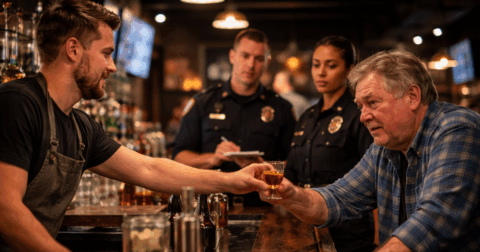 Furnishing alcohol to restricted or intoxicated persons is a focused slice of Oklahoma alcohol law. These charges target the moments when alcohol moves from a bar, store, or host into the hands of someone the law treats as especially vulnerable or risky. That can mean an intoxicated customer, a guest with serious mental limitations, or anyone allowed to stay drunk on licensed premises.
Because these cases grow out of real harm risks, prosecutors and the ABLE Commission take them seriously. They often appear alongside other Oklahoma alcohol crimes, such as underage drinking allegations or public-intoxication charges. Public intoxication has its own statute and can be filed in both state courts and many municipal courts. When that happens, your exposure can jump quickly.
Quick links for furnishing-alcohol cases
- Overview of furnishing alcohol to restricted or intoxicated persons
- How these furnishing-alcohol cases work in court
- Crimes involving furnishing alcohol to restricted or intoxicated persons
- Defense strategies for furnishing-alcohol charges
- Key legal terms in furnishing-alcohol cases
- Furnishing-alcohol FAQs
- Back to the Oklahoma alcohol crimes category hub
Talk with an Oklahoma furnishing-alcohol defense lawyer early
Furnishing-alcohol cases can move fast. Officers often write reports the same night, and ABLE agents may already be reviewing video before you even know there is a problem. Because early statements and compliance checks shape the entire case, it helps to involve a defense lawyer as soon as possible.
If you’ve been accused of furnishing alcohol to restricted or intoxicated persons in Oklahoma, reach out for a free consultation. You can call us at 405-633-3420 or use our secure online form.
How these furnishing-alcohol cases work in court
These offenses share three themes. There is usually alcohol, a person the law treats as restricted, and a claim that you knew or should have known about the risk. Prosecutors often look at how much the person had already consumed, whether they seemed impaired, and what you did after seeing warning signs.
Cases may start with a bar fight, a fall, a crash, or a complaint about over-service. They can be filed in Oklahoma state courts or in city systems that sit inside the municipal courts network.
Stacking is common. So you might see a count for selling to an intoxicated person paired with permitting an intoxicated guest to remain on the premises. If the same night also involves underage drinking, DUI, or assault allegations, the State can add those counts too. Because everything grows from the same short window of time, a strong defense looks at the entire event, not just a single drink.
Crimes involving furnishing alcohol to restricted or intoxicated persons
Selling, furnishing, or giving alcohol to an insane or mentally deficient person
This offense focuses on serving someone with serious mental limitations that affect judgment and safety. Prosecutors argue that you knowingly sold, furnished, or gave alcoholic beverages to a person whose mental condition made drinking especially dangerous. They may rely on medical records, prior guardianship orders, or witness statements about obvious confusion. However, those records are often incomplete, and what looks like confusion in a crowded bar may have other explanations. A defense lawyer can challenge what you actually knew and whether the person’s condition was clear at the time of service. (37A O.S. § 6-121)
Selling, furnishing, or giving alcohol to an intoxicated person
This law applies when the State claims you served alcohol to someone who was already intoxicated. These cases often come from ABLE compliance checks, bar incidents, or injury crashes where investigators trace the last few drinks. Officers usually point to slurred speech, unsteady balance, or repeated service over a short period. However, lighting, fatigue, medication, and uneven flooring can mimic signs of intoxication. A defense strategy can highlight those factors and show that what you saw in real time didn’t clearly prove that the guest was drunk. (37A O.S. § 6-121)
Permitting a person to be intoxicated on the licensee’s premises
This crime targets licensees and managers who allegedly let intoxicated people remain on their premises instead of cutting them off or asking them to leave. Investigators focus on the length of time the guest stayed, how staff responded, and whether there were obvious disturbances. Reports may claim that the guest fell, started fights, or created safety hazards while still on site. However, employees often juggle many customers and can’t monitor every step a guest takes. A defense can show reasonable monitoring, staff training, and prompt responses that undercut the claim that you permitted ongoing intoxication. (37A O.S. § 6-102(A)(7))
Defense strategies for furnishing-alcohol charges
Even if the reports sound one-sided, you still have options. The best approach depends on the type of license involved, how the encounter began, and what records actually exist.
- Question whether signs of intoxication were obvious. Your lawyer can challenge claims about stumbling, slurred speech, or red eyes when video and witness accounts tell a different story.
- Dispute knowledge of mental condition. The defense can show that you had no reason to know about any serious mental deficiency or prior diagnosis.
- Use training and policies to your advantage. Written responsible-service policies, staff training records, and posted rules can support arguments that you acted reasonably.
- Rebuild the timeline. Your attorney can line up receipts, video, and testimony to show when drinks were actually served and when any disturbance started.
- Limit the impact of ABLE and criminal overlap. A solid strategy looks at how ABLE hearings, municipal tickets, and state charges interact so one case doesn’t automatically sink the others.
- Pursue negotiated outcomes. In some situations, your lawyer may work toward reduced counts, compliance-based resolutions, or outcomes that help protect your record and your license.
Key legal terms in furnishing-alcohol cases
Intoxicated person
In alcohol cases, an intoxicated person is someone whose normal mental or physical faculties are noticeably affected by drinking. The law focuses on whether alcohol has impaired the person’s ability to think clearly, move safely, or exercise ordinary judgment in a meaningful way.
Licensed premises
Licensed premises are the areas covered by a specific alcohol license, including the interior space and any approved patios or service areas. Investigators treat service and conduct inside that footprint differently from activity in parking lots or public streets nearby, which may fall under other alcohol or public-intoxication laws. (jury instruction 1-103)
Knowingly
Knowingly means that you are aware of what you are doing and that your actions are not accidental or based on simple mistake. In this context, the State must show that you knew the guest was intoxicated or restricted, or that the circumstances were so clear that you chose to ignore that risk while still furnishing alcohol.
Oklahoma furnishing-alcohol FAQs
Can I be charged in Oklahoma for letting an intoxicated guest stay on my premises?
Yes. In Oklahoma, licensees can face charges when authorities say an intoxicated person was allowed to remain on licensed premises instead of being cut off or removed. The State looks at how long the guest stayed, what staff observed, and whether there were clear signs of intoxication. A defense can focus on the steps you took to monitor and manage the situation.
How do Oklahoma prosecutors try to prove I knowingly served an intoxicated person?
Prosecutors in Oklahoma usually point to visible signs such as slurred speech, stumbling, loud behavior, or repeated orders over a short time. They may combine those observations with receipts, video, and witness statements. However, your lawyer can highlight other explanations for those signs and show that you did not have clear knowledge that the guest was intoxicated.
Can a furnishing-alcohol case in Oklahoma affect my ABLE license?
Furnishing-alcohol allegations in Oklahoma often trigger both criminal proceedings and ABLE enforcement. A conviction or even certain factual findings can lead to fines, suspensions, or stricter oversight. Because the records overlap, a defense strategy usually considers how each move in one forum might affect your license in the other.
Are Oklahoma furnishing-alcohol cases always misdemeanors?
Many furnishing-alcohol charges in Oklahoma are misdemeanors, but the overall impact can still be serious. The consequences may include jail exposure, fines, and licensing problems. When a case is tied to injury, death, or other major crimes, related felony charges may also appear, which raises the stakes even more.
Do Oklahoma furnishing-alcohol investigations always start with ABLE agents?
No. Some Oklahoma furnishing-alcohol cases begin with local police responding to a fight, fall, or disturbance at a bar or event. Others start with ABLE compliance checks or follow-up after a DUI crash. Regardless of who starts the investigation, the evidence they collect can be tested, challenged, and placed in proper context.
This page is for informational purposes only and is not legal advice. Every case is unique; consult an attorney about your specific situation. Page last updated January 24, 2026. Consult the statutes listed above for the most up-to-date law.