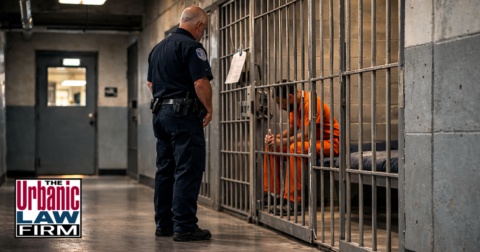
 If you were hurt behind bars in Oklahoma, you’re probably wondering whether you can file a jail injury lawsuit and win. You might have been beaten by staff, ignored when you begged for medical help, or attacked by another inmate after warning officers. Your rights don’t vanish just because you’re in a cell. This post explains when an Oklahoma jail injury ties into civil rights violations, who you can sue, and how your criminal case fits into the bigger picture.
Talk to an Oklahoma Criminal Defense and Civil Rights Lawyer
You don’t have to sort all this out on your own. A bad jail incident can affect your health, your case, and your future. Call us at 405-633-3420 or use our secure online form. We can review what happened and help you plan your next move.
Quick Links
- Can you sue after an Oklahoma jail injury?
- Common civil rights violations in Oklahoma jails
- Who you can sue and how lawsuits work
- How your criminal case and jail injury claim interact
- Key legal terms in Oklahoma jail cases
- FAQs about Oklahoma jail injuries and civil rights
Can You Sue After an Oklahoma Jail Injury?
Yes, you often can sue if you were injured in an Oklahoma jail, but the path isn’t simple. First, you need to know whether what happened fits ordinary negligence, a constitutional civil rights violation, or both. Second, you have to figure out whether to sue in federal court, state court, or both systems at once. Finally, strict deadlines and jail grievance rules can make or break your claim even when the facts are strong.
Most serious jail injury cases involve two overlapping areas of law. One is federal civil rights law, especially claims under 42 U.S.C. § 1983. The other is Oklahoma state law, including claims covered by the Oklahoma Governmental Tort Claims Act, which begins at 51 O.S. § 151. You may pursue both sets of claims from the same incident, but each has its own proof rules, defenses, and time limits, so strategy matters from the start.
Your Civil Rights Inside an Oklahoma Jail
Even when you’re locked up, the Constitution still protects you. If you’ve already been sentenced, the Eighth Amendment bars cruel and unusual punishment. If you’re a pretrial detainee, the Fourteenth Amendment protects you from punishment before conviction at all. In both situations, jail staff can’t use excessive force, ignore serious medical needs, or deliberately expose you to obvious dangers.
Oklahoma law also recognizes several crimes that often overlap with civil rights abuse in jails. Those crimes include assault and battery, aggravated assault and battery, and assault, battery, or assault and battery with a dangerous weapon.
Excessive Force and Physical Abuse
Many Oklahoma jail civil rights cases start with a use of force that goes way too far. Maybe officers slammed you into a wall, tased you after you stopped resisting, or kicked you while you lay on the floor in cuffs. When force no longer serves a safety purpose and instead looks like punishment or payback, that opens the door to a constitutional claim.
Under federal law, courts look at whether the force used was objectively reasonable under the circumstances. They consider your behavior, any safety threat, and whether officers had time for other options. If the jail’s explanation doesn’t match the video, medical photos, or witness reports, that gap can strongly support an excessive force claim and related Oklahoma assault charges in the criminal system.
Medical Neglect and Unsafe Conditions
Another common civil rights problem is deliberate medical neglect. Maybe you told staff you couldn’t breathe, that your ribs felt broken, or that you needed insulin, and nothing happened for hours. Or maybe you were housed in a cell with sewage on the floor, extreme temperatures, or no access to basic hygiene. Those conditions can move beyond bad treatment into constitutional territory.
Courts often use the phrase “deliberate indifference” in these cases. That means jail staff knew about a serious risk to your health or safety and chose not to take reasonable steps to reduce that risk. A simple mistake or misdiagnosis usually isn’t enough. However, repeated refusals to examine you, long delays in sending you to a hospital, or ignoring obvious infections can all point toward deliberate indifference instead of mere negligence.
Failure to Protect You from Other Inmates
Sometimes the threat doesn’t come from staff at all. Instead, you might face serious danger from other inmates. You may have warned officers about specific threats, gang issues, or a violent cellmate and still been left in the same housing. When a known risk turns into a brutal assault, civil rights law treats that as more than bad luck.
Legally, the question is whether jail officials knew or should have known about a substantial risk of serious harm and ignored it. If you filed written requests, told multiple officers about threats, or previously asked for protective custody, those records become crucial. When the paper trail shows repeated warnings and no meaningful response, failure-to-protect claims become much easier to pursue.
Retaliation and Blocking Access to the Courts
Your rights also include the ability to complain about mistreatment. You’re allowed to use the jail grievance system, request medical care, and talk with your attorney. When staff punish you for doing those things, that retaliation can violate your civil rights. Retaliation might include bogus misconduct write-ups, loss of privileges, or transfers to more dangerous housing.
Access to the courts is tied closely to retaliation claims. If staff destroy your legal paperwork, block legal mail, or interfere with phone calls to your lawyer, they’re not just being rude. They may be interfering with your constitutional right to pursue your criminal defense and any civil case. Documenting those barriers can help show a pattern of retaliatory conduct, not just isolated rudeness.
Who You Can Sue for an Oklahoma Jail Injury
Federal Civil Rights Lawsuits Under 42 U.S.C. § 1983
Most constitutional jail injury cases run through 42 U.S.C. § 1983. That statute lets you sue government actors who violate your federal rights while acting in an official capacity. In Oklahoma jail cases, you may bring claims against individual correctional officers, medical staff, supervisors, or the county that runs the facility.
To win, you usually need to show three things. First, a government actor did something to you while acting under color of law. Second, that conduct violated a specific constitutional right, like your right to be free from excessive force or deliberate indifference to serious medical needs. Third, that violation caused actual damages, such as medical bills, long-term pain, or emotional distress that a jury can understand and value.
Oklahoma State-Law Claims and the Tort Claims Act
Your case might also support state-law claims like negligence, assault and battery, or wrongful death. However, suing public entities and employees in Oklahoma often means dealing with the Oklahoma Governmental Tort Claims Act. That law sets strict rules for who you can sue, what kinds of damages you can collect, and how much money you can recover.
Under that system, you usually must send a written notice of claim to the proper government office within a limited time after the incident. Then the government gets a specific period to approve, deny, or ignore the claim. If the claim is denied or the deadline passes, you get a short window to file a lawsuit. If you miss these steps, your state-law case may die, even if your facts are strong.
Grievances, Evidence, and Deadlines
When your injury happened while you were still locked up, another federal law comes into play. The Prison Litigation Reform Act requires you to exhaust “available” jail grievance procedures before you file most civil rights lawsuits about conditions of confinement. So you should file grievances on time, keep copies when possible, and appeal through every required level.
Evidence collection also starts early. You, your family, and your lawyer should try to preserve medical records, booking photos, incident reports, bodycam footage, and fixed camera video. You should also write down names of witnesses, badge numbers, and dates as soon as you can. Because federal and state deadlines can interact in confusing ways, fast legal advice helps you avoid losing claims on technical grounds rather than on the merits.
How Your Criminal Case and Jail Injury Claim Interact
Many people who suffer jail injuries also face new criminal charges from the same incident. For example, officers sometimes claim you attacked them first and use that story to support charges for assault and battery upon a law enforcement officer. Oklahoma law covers that offense in 21 O.S. § 649, and jury instructions lay out elements like an assault or battery on an officer, knowledge of the officer’s status, lack of justification, and performance of official duties.
That overlap creates real risks. Anything you say in a civil setting can show up later in your criminal case. Because of that, your criminal defense strategy needs to fit together with your approach to a civil rights lawsuit. Sometimes you focus first on beating or reducing the criminal charge and preserve civil claims in the background. Other times, you push for early evidence and careful statements that protect you in both arenas.
Self-defense and reasonableness often sit in the middle of this conflict. You might claim that you used force only because guards or other inmates attacked you first. However, courts treat self-defense inside a jail differently than fights on the street. Your lawyer needs to explore whether less risky options existed, how quickly events unfolded, and what any video shows about the timing and intensity of force on both sides.
Key Legal Terms in Oklahoma Jail Civil Rights Cases
This short definitions section explains a few terms that often appear in Oklahoma jail civil rights cases.
- Great bodily injury – Great bodily injury means serious physical harm that goes beyond ordinary bruises or soreness and creates a real risk of death, permanent disfigurement, or long-lasting loss of function.
- Deliberate indifference – Deliberate indifference means jail officials knew about a serious risk to your health or safety and chose not to take reasonable steps to address that danger when they had the chance.
- Probable cause – Probable cause means specific facts that would lead a reasonable person to believe you committed a crime or that evidence of a crime will be found in a certain place.
Frequently Asked Questions About Oklahoma Jail Injuries and Civil Rights
What counts as a civil rights violation in an Oklahoma jail?
A civil rights violation in an Oklahoma jail usually involves excessive force, extreme or dangerous conditions, or serious medical needs being ignored on purpose. You’re not guaranteed comfort, but you’re entitled to basic safety, adequate medical care, and freedom from cruel or degrading treatment. When staff move past maintaining order and into punishment or deliberate neglect, your civil rights may have been violated.
Can I sue the county if I’m hurt in an Oklahoma jail?
You may be able to sue the county for an Oklahoma jail injury if your harm ties back to a policy, pattern, or failure to train, or if state-law rules for suing public entities are met. However, strict notice deadlines, damage caps, and immunity rules make these cases tricky. You should get legal advice quickly so you don’t lose your chance to pursue compensation.
Do I have to file grievances before suing over an Oklahoma jail injury?
In most cases you do, because federal law demands exhaustion of available jail grievance procedures before many civil rights suits about jail conditions. That means you should use the grievance system, follow its deadlines, and appeal when policy requires. If staff block the process or refuse forms, you should document that as well.
What kinds of medical problems support a civil rights claim in an Oklahoma jail?
Serious medical problems often support claims when Oklahoma jail staff know about them and still refuse reasonable care. Examples include untreated broken bones, serious infections, uncontrolled diabetes, heart symptoms, and mental health crises with suicide risk. The more obvious and urgent the condition, and the longer officials ignore it, the stronger your potential civil rights case becomes.
Will a civil lawsuit about my Oklahoma jail injury hurt my criminal case?
A civil lawsuit about an Oklahoma jail injury can affect your criminal case because statements you make may appear in criminal court. That risk doesn’t mean you should never sue, but it does mean timing and strategy matter. Coordinated advice helps you protect both your defense and your civil rights claims at the same time.
This page is for informational purposes only and is not legal advice. Every case is unique; consult an attorney about your specific situation. Page last updated March 9, 2026. Consult the statutes listed above for the most up-to-date law.