Highway, Bridge, & Traffic Sign Vandalism Crimes Defense in Oklahoma
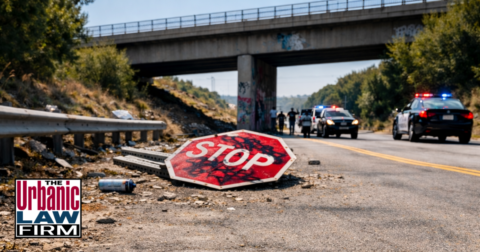 Highway, bridge, and traffic sign vandalism charges hit fast because they target safety-critical roads and structures. A damaged bridge, missing stop sign, or torn-up roadway can trigger claims that you put drivers and pedestrians at serious risk. Prosecutors often argue you knew the danger, even when the facts are messy.
These cases sit within Oklahoma’s broader vandalism and malicious mischief crimes, but they focus on transportation routes and travel control devices. Investigators care about why the damage happened, how much it cost to fix, and whether anyone was hurt or nearly hurt. Because the state ties these crimes to public safety, you can see aggressive charging, even over a single sign or short stretch of road.
Quick links
Early legal help for highway vandalism charges in Oklahoma
If you’ve been accused of highway, bridge, or traffic sign vandalism crimes in Oklahoma, reach out for a free consultation before you talk to police, adjusters, or Oklahoma Turnpike Authority staff. Quick action lets a defense lawyer preserve video, photographs, cell phone data, and road records that can fade or get “lost” over time.
Call us at 405-633-3420 or use our secure online form.
How Oklahoma treats highway, bridge, and traffic sign vandalism
All of these crimes protect the same core interests: safe travel and reliable traffic control. The statutes focus on public highways, bridges, toll facilities, and official signs that direct or warn drivers. Because damage can cause wrecks, courts treat intent and knowledge very seriously, even when the actual harm ended up minor.
Charges often travel with other counts. You may see allegations tied to reckless driving, DUI, leaving the scene of an accident, or even riot-related conduct. Prosecutors sometimes try to stack counts where multiple signs, spans, or gates are involved. Defense work in this group usually targets intent, the quality of the damage proof, the link between any damage and later injuries, and whether the location truly counts as a public highway or covered structure.
Highway, bridge, and traffic sign vandalism crimes
Injuries to Public Highways or Bridges
Injuries to Public Highways or Bridges (21 O.S. § 1753) covers malicious damage to any public highway or bridge. The statute reaches conduct like tearing up the surface, removing supports, or otherwise harming structures that carry traffic. The focus falls on deliberate acts, not ordinary wear and tear, road work, or honest mistakes.
In real cases, prosecutors lean on photos, repair invoices, drone footage, and testimony from road crews or engineers. They may argue that tire ruts, trenching, or damage from heavy equipment shows a “wish to injure” public property. A strong defense digs into who controlled the work, what permits existed, how old the damage really was, and whether your actions match the statute’s malicious intent requirement.
Stealing or Defacing Official Highway Sign, Signboard or Marker
Stealing road signs (21 O.S. § 1753.8) targets anyone who takes, damages, or unlawfully possesses official road signs and markers. The law focuses on signs placed by state, county, or city authorities, including speed limit signs, stop signs, and directional markers. When prosecutors claim a missing or defaced sign contributed to a crash, the stakes can jump quickly.
Evidence often includes photos of sign posts, maintenance records, crash reports, and cell phone or social media data that suggests a prank or dare. Prosecutors may try to treat each sign or marker as a separate act, which raises exposure. Defense strategies in these cases often question when the sign disappeared, who actually moved it, whether the sign was official, and whether any later wreck truly ties back to the alleged vandalism.
Obstruction of Public Highways or Streets
Obstruction of Public Highways or Streets (21 O.S. § 1754) applies when someone knowingly and willfully blocks, plows up, or otherwise obstructs a public road or street, or injures a bridge on that route. The state doesn’t just look for complete blockage. It also focuses on changes that make travel unreasonably dangerous or difficult for ordinary drivers.
These cases often arise from construction work, protests, farm activity, or debris left in the roadway. The statute also allows civil liability for resulting injuries or property loss, so insurers and alleged victims may push hard for a criminal conviction. A careful defense challenges whether the road was truly public, whether the obstruction was authorized work, and whether conditions actually met the statute’s definition of obstruction.
Injury to Toll House or Turnpike Gate
Injury to Toll House or Turnpike Gate (21 O.S. § 1755) focuses on damage to toll booths, turnpike gates, and related structures. Allegations can include ramming a gate, forcing it open, or otherwise damaging equipment that controls access to a turnpike. Unlike many vandalism offenses, this crime is treated as a felony-level property offense with significant potential custody time.
Investigations usually involve the Oklahoma Turnpike Authority, law enforcement, and sometimes insurance investigators. They rely on booth video, toll records, license plate readers, and event logs from gate systems. A defense lawyer may attack identification, question whether equipment malfunctioned on its own, or argue that any contact was accidental and not a deliberate effort to damage the toll facility.
Defense strategies for highway, bridge, and traffic sign vandalism in Oklahoma
Defense work in this group often turns on intent, causation, and the technical details of the road or structure. Every case depends on its own facts, but several themes appear again and again.
- Challenge intent. Many of these statutes require malicious or knowing conduct. Your lawyer can highlight permits, safety steps, or mistakes that show you didn’t act with a wish to injure public property.
- Dispute causation. Prosecutors may claim a missing sign or damaged road caused a crash. A defense can point to driver error, weather, lighting, or prior road defects that break that chain.
- Question identification. Nighttime conditions, long distances, and grainy cameras make it hard to be sure who actually moved a sign or struck a bridge or gate.
- Limit the damage scope. Your attorney can challenge repair estimates, show that only a small area was affected, or argue that the structure doesn’t fit the statute’s coverage.
- Attack the investigation and evidence. A defense may push back on sloppy scene documentation, missing data, improper statements, or searches that went beyond lawful limits.
Key terms for highway, bridge, and traffic sign vandalism
Highway
A highway is the entire width between the boundary lines of every way that public authorities maintain when any part of that way is open to the public for vehicular travel (47 O.S. § 1-122; jury instruction 4-106).
Reckless disregard
Reckless disregard of the safety of others is the omission to do something a reasonably careful person would do, or the lack of the usual and ordinary care and caution in performing an act usually and ordinarily exercised by a person under similar circumstances and conditions (jury instruction 4-107).
Maliciously
The terms “malice” and “maliciously” import a wish to vex, annoy, or injure another person, and in malicious mischief cases maliciously means acting with a wish to injure property (21 O.S. § 95; jury instruction 5-109).
Obstruct
Obstruct means to render a way impassable or to render passage unreasonably inconvenient or hazardous (21 O.S. § 1312(5)).
Knowingly
Knowingly imports only a knowledge that the facts exist which bring the act or omission within the provisions of the criminal code, and doesn’t require any knowledge of the unlawfulness of the act or omission (21 O.S. § 96).
Highway, bridge, and traffic sign vandalism FAQs in Oklahoma
What counts as highway vandalism in Oklahoma?
Highway vandalism in Oklahoma includes malicious damage to public roads, bridges, or safety structures tied to those routes. That can mean tearing up the surface, damaging supports, or harming related features that keep traffic moving safely.
Can highway vandalism charges in Oklahoma become felonies?
Some highway-related vandalism charges in Oklahoma stay misdemeanors, especially where damage is limited and no one gets hurt. Others, like injury to toll houses or turnpike gates, can be treated as felonies because of the risk to large numbers of drivers.
How do police investigate traffic sign vandalism cases in Oklahoma?
Officers in Oklahoma usually review crash reports, scene photos, and maintenance records from road or turnpike agencies. They may also pull security video, plate-reader data, and phone or social media evidence that suggests someone bragged about moving or defacing signs.
What if road or bridge damage in Oklahoma came from weather instead of vandalism?
Severe weather and aging can weaken roads, bridges, and signs in Oklahoma without any vandalism. A defense can use engineering opinions, maintenance history, and storm data to show that damage came from natural forces, not from your conduct.
Will a highway vandalism conviction in Oklahoma stay on my record?
A highway vandalism conviction in Oklahoma usually becomes part of your criminal record and can affect jobs, licensing, and background checks. In some situations, you may later explore expungement or other relief, but outcomes depend on the exact charge and your history.
This page is for informational purposes only and is not legal advice. Every case is unique; consult an attorney about your specific situation. Page last updated March 6, 2026. Consult the statutes listed above for the most up-to-date law.