Role the SFST Training Manual Plays in Oklahoma DUI Arrests
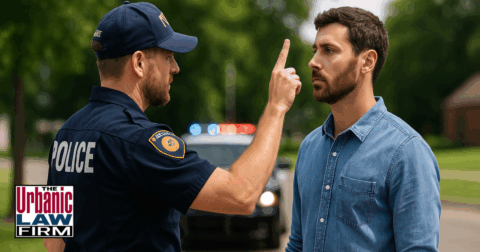 Police in Oklahoma are taught to follow a national playbook called the DWI Detection and Standardized Field Sobriety Testing (SFST) manual, updated in 2023, that’s supposed to walk them step by step through a DUI investigation. They don’t always follow the manual. That’s where we come in.
Accused After an Oklahoma DUI Stop? Talk to Us
If you’ve been accused of a similar offense in Oklahoma, reach out for a free consultation with The Urbanic Law Firm before you say or sign anything. You can start by filling out our online form.
How the SFST Manual Shapes Oklahoma DUI Stops
The manual is designed to help officers recognize and interpret signs of impairment, administer field sobriety tests the same way every time, and then testify about those tests in court. That training sounds scientific and objective. However, real traffic stops often look very different from the clean scenarios in the classroom. Check out our in-depth page on SFSTs for more information on them.
In Oklahoma, a DUI or APC investigation usually starts the moment an officer first sees your vehicle. The SFST manual breaks the stop into three phases: vehicle in motion, personal contact, and pre-arrest screening. At each phase, the officer is told to watch for specific “cues” like weaving, slow responses, slurred speech, or fumbling with your license.
The SFST manual also talks about general deterrence, which is the idea that frequent, visible DUI arrests will scare other drivers away from drinking and driving. That mindset can push officers to be aggressive on weekend nights in Oklahoma, stopping more cars and stretching weak clues into full DUI or APC investigations.
During the pre-arrest screening phase, the officer may run you through three standardized field sobriety tests: Horizontal Gaze Nystagmus, Walk and Turn, and One Leg Stand. The manual calls these divided-attention tests because they force you to split your focus between balancing, remembering instructions, and performing physical movements.
According to the SFST training, officers are supposed to give very specific instructions, demonstrate the movements, and account for things like age, weight, medical issues, road surface, and footwear. In the real world, officers often rush instructions, ignore what you tell them about injuries, or conduct tests on sloped, windy, or poorly lit Oklahoma roadways.
Where Oklahoma Law Comes In After Field Sobriety Tests
When the state files charges after an SFST-based stop, several Oklahoma crimes can be on the table. The main statute is Driving or Being in Actual Physical Control While Under the Influence under 47 O.S. § 11-902, which covers driving, operating, or even just being in control of a vehicle while impaired by alcohol, drugs, or a combination.
Prosecutors also use Underage DUI or Actual Physical Control under 47 O.S. § 11-906.4 when the driver is under twenty-one and has alcohol in their system. If an open beer or liquor bottle is in the car, you could face a separate Transporting an Open Container of Alcohol charge under 21 O.S. § 1220, even if your BAC ends up below the legal limit.
If there is a child in the car, the situation can escalate fast. Oklahoma’s Child Endangerment statute, 21 O.S. § 852.1, allows the state to charge you with a felony if you drive impaired with a minor passenger or knowingly let a child ride with an impaired driver. In some cases, the DUI fine under 47 O.S. § 11-902 is also enhanced when a child is present.
Using the SFST Manual Against the Prosecution in Oklahoma
Because the SFST manual is public, a skilled Oklahoma DUI defense lawyer can turn it into a roadmap for cross-examining the arresting officer. We compare what the manual says should happen to what the body-cam video actually shows. Every skipped instruction, wrong demonstration, or ignored medical condition becomes a credibility problem for the state.
We also look closely at the timing of drinking, the type of alcohol, your weight, and whether you had food in your stomach. The manual itself explains how alcohol is absorbed, distributed, and eliminated in the body. Those same concepts can show a jury that your BAC was rising, that the test was taken too late, or that the officer’s assumptions about your level of impairment were flat-out wrong.
Even if the state has breath or blood results, SFST performance still matters. Jurors often put a lot of weight on how you looked and moved on video. When we show that the officer misused the SFSTs, failed to follow the training, or exaggerated what they saw, it can create the reasonable doubt you need to avoid a conviction or to negotiate a better outcome.
Common Questions About SFSTs in Oklahoma
What are standardized field sobriety tests in Oklahoma DUI stops?
In Oklahoma DUI stops, standardized field sobriety tests are three specific exams officers learn from the SFST training manual: Horizontal Gaze Nystagmus, Walk and Turn, and One Leg Stand. Each test has detailed rules for instructions, timing, and scoring that officers are supposed to follow the same way every time.
How do Oklahoma police officers use the SFST manual in DUI investigations?
Oklahoma police officers use the SFST manual as their roadmap for a DUI investigation. It tells them when to stop vehicles, what driving cues to look for, how to interview you at the window, how to run the tests, and how to write reports and testify later in court about what they claim they saw.
Can SFST mistakes help defend a DUI charge in Oklahoma?
Yes. When an officer in Oklahoma does not follow the SFST manual, those mistakes can undermine the state’s case. If instructions were rushed, demonstrations were wrong, or your physical limits were ignored, a defense lawyer can highlight those errors to challenge probable cause, weaken the prosecutor’s story, and push for better results.
What Oklahoma crimes and statutes usually apply after a failed field sobriety test?
After a failed field sobriety test in Oklahoma, prosecutors often file Driving or Being in Actual Physical Control While Under the Influence under 47 O.S. § 11-902. Depending on the facts, you might also face Underage DUI under 47 O.S. § 11-906.4, Open Container under 21 O.S. § 1220, or Child Endangerment under 21 O.S. § 852.1.
When should I contact a lawyer after an Oklahoma DUI or APC arrest?
You should contact a lawyer as soon as possible after an Oklahoma DUI or APC arrest, ideally before your first court date or any Service Oklahoma deadlines. Early help lets your attorney request video, challenge field sobriety testing, protect your license, and start negotiating or preparing to fight the charges in court.
Contact The Urbanic Law Firm
If you’ve been charged with DUI, DWI, APC or any other criminal offense in Oklahoma, contact The Urbanic Law Firm today. Call 405-633-3420 or fill out our form.
Based in Oklahoma City and serving clients statewide.
This page is for informational purposes only and is not legal advice. Every case is unique; consult an attorney about your specific situation. Page last updated November 15, 2025. Consult the statutes listed above for the most up-to-date law.