Dumping & Rural Damage Crimes Defense in Oklahoma
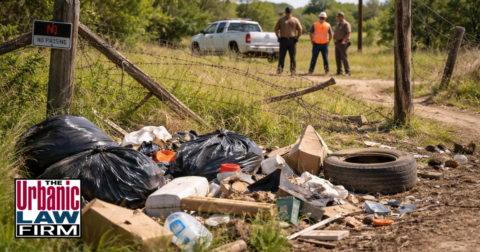 Rural dumping and property damage charges often start with something that looks minor, like a load of trash in a ditch or a broken fence line. However, Oklahoma law treats these situations as criminal attacks on land, utilities, and even critical infrastructure. One sheriff’s call can turn into multiple counts that sit inside the broader family of vandalism and malicious mischief crimes.
These cases usually revolve around where the damage happened and what got harmed. So, prosecutors look at whether you dumped waste on someone else’s property, cut into a utility line, or crossed a fence line that protects a key facility. Because the statutes use specific mental states like “knowingly” and “maliciously,” the facts around intent and permission matter a lot.
Quick links
- What these dumping & rural damage crimes have in common
- How prosecutors charge and stack dumping & rural damage counts
- Dumping & rural damage crimes in this group
- Defense strategies for dumping & rural damage crimes in Oklahoma
- Key terms for dumping & rural damage crimes
- FAQs about dumping & rural damage crimes in Oklahoma
Early help for dumping & rural damage charges
If you’ve been accused of dumping and rural damage crimes in Oklahoma, you’re probably looking at fast-moving investigations and angry landowners. Because officers often collect photos, drone images, and witness statements early, you benefit when a defense lawyer gets in just as early to protect your side of the story. Call us at 405-633-3420 or use our secure online form.
What these dumping & rural damage crimes have in common
The crimes in this group all focus on harm to land and rural infrastructure. They usually claim that someone knowingly left waste where it didn’t belong or damaged structures that protect or deliver services. In many cases, the State points to repeat trips, large trash loads, or obvious damage to show more than just an accident.
Because many of these laws protect another person’s property rights, consent sits at the center of the case. So, a key dispute often involves whether the landowner agreed, whether an easement existed, or whether old habits led you to believe you could use the land or right-of-way. For critical infrastructure, prosecutors stress safety and public risk even if physical damage looks small.
How prosecutors charge and stack dumping & rural damage cases
Prosecutors often stack multiple counts from one scene. For example, one cleanup site might support separate charges for dumping trash on private land and damaging a fence that blocks access. In rural utility cases, the State may file one count for each damaged line, pipe, or pole, especially if repair crews had to fix several points.
Trespass at a critical infrastructure facility adds another layer. Because the law treats these locations as especially sensitive, a single event can bring both trespass and damage counts tied to the same act. In addition, you might face related charges from the same incident, such as reckless driving on private roads, trespass to land, or even environmental violations under other statutes.
Dumping & rural damage crimes in this group
Dumping trash on public or private property without consent
Dumping Trash on Public or Private Property Without Consent or in Violation of Regulations (21 O.S. § 1761.1) reaches a wide range of conduct. The law covers crating, dumping, throwing, or leaving trash, garbage, rubbish, refuse, or debris on land, roadways, or other areas when you don’t have the owner’s consent or ignore local rules. So, illegal dumping doesn’t just mean big truckloads; it can include repeated smaller drops that add up.
Officers typically build these cases with photos, witness reports, and sometimes mail or receipts found in the pile. They may also track down haulers by vehicle description or weight tickets. A strong defense digs into whether the State can really prove you were the one who dumped there, whether someone else used your truck or trailer, and whether the site was already contaminated before the alleged event.
Digging up or obstructing pipes, wires, and utility lines
Digging Up or Obstructing Pipes, Wires, etc. (21 O.S. § 1786) focuses on utility pipes and lines that carry water, gas, power, or communications. The law targets anyone who maliciously or willfully opens, injures, disconnects, or obstructs these systems. Because utilities often cross rural land, disputes sometimes start as ordinary digging or heavy equipment work and end as criminal charges.
Utility companies usually document damage with detailed repair records, maps, and photos of cut or broken lines. However, job-site confusion and poor markings can create real disputes about who caused the harm. A defense lawyer often highlights 811 locate issues, unclear easements, and alternative causes like erosion, vehicle accidents, or prior damage.
Destroying fences
Destroying Fences (21 O.S. § 1791) protects the fences that keep livestock, crops, and equipment secure. The offense typically alleges that someone intentionally cut, tore down, or left open a fence or gate without authority. Because rural land often has shared or unclear fence lines, these cases can turn on old practices and informal agreements between neighbors.
Evidence often includes photos of damaged posts or wire, hoof prints or tire tracks near the break, and statements about missing animals or crop loss. However, storms, wandering livestock, and old hardware can also weaken fences. A defense strategy may show that the damage came from natural causes, that you believed you had a right to move the fence, or that another person caused the break.
Trespass and damage to a critical infrastructure facility
Trespass and Damage to a Critical Infrastructure Facility (21 O.S. § 1792) raises the stakes when the State claims you entered and damaged certain protected sites. The statute covers facilities such as refineries, power plants, substations, pipeline pump stations, and similar locations that store or move fuel, electricity, water, or data. Because legislators see these sites as targets that can affect entire communities, penalties often reach felony levels and can involve significant prison time.
Investigations at these facilities usually involve security footage, access logs, digital key records, and reports from on-site guards or contractors. So, the State may argue that even minor damage created serious risk to public safety or service. A defense may show that you had lawful access, stayed in public areas, or never caused the level of harm the State describes.
Defense strategies for dumping & rural damage crimes in Oklahoma
- Challenge identity. Many cases rely on vehicle descriptions, loose documents, or guesses about who used a truck or trailer. A defense lawyer pushes hard on whether those links truly prove you were the one who dumped trash or damaged property.
- Attack intent. These crimes often require that you acted knowingly, willfully, or maliciously. However, unclear boundaries, bad directions, or mistaken assumptions about a right-of-way can undercut the State’s claim that you meant to cause harm.
- Show consent or apparent permission. Landowners sometimes give informal or conditional permission to place materials, use roads, or cross fences. Because memories fade and agreements change, surfacing texts, emails, or witnesses who recall that permission can shift how the case looks.
- Question actual damage. Prosecutors like to paint the worst possible picture of pollution, fence breaks, or utility harm. So, a defense may bring in experts or records to show that damage was minor, already present, or unrelated to your actions.
- Leverage cleanup and restitution. Judges often pay attention to whether you helped restore the property, removed trash, or worked with the landowner. While cleanup doesn’t erase the charge, it can support negotiations for reduced counts, alternative sentencing, or a plea that protects your record.
Key terms for dumping & rural damage crimes
Property
Oklahoma law treats property as including both interests in land and items that aren’t part of the land. Real property covers land and rights tied to land, while personal property covers every kind of property that isn’t real property, including money and things in action. (21 O.S. § 104; jury instruction 5-91)
Real property
Real property means land and every estate, interest, and right in land, including structures or objects permanently attached to the land. This concept matters in dumping and fence cases because it focuses on how the law protects both the soil and what’s built into it. (21 O.S. § 102)
Personal property
Personal property means every kind of property that is not real property. It includes movable items like equipment, livestock, and materials that can be owned and moved separately from the land itself. (21 O.S. § 103)
Knowing or knowingly
Knowing or knowingly means you’re aware of facts that cause the act or omission to be criminal in nature, even if you don’t know the exact statute. In dumping and rural damage cases, this concept focuses on whether you understood where you were placing materials or what you were doing to the property. (jury instruction 6-16; 21 O.S. § 96)
Critical infrastructure facility
A critical infrastructure facility is a plant or system that stores, processes, or moves essential resources like fuel, electricity, water, or communications. The definition includes facilities such as refineries, electrical power generating plants, substations, pipeline pump stations, water intake structures, wastewater treatment plants, and telecommunication central switching offices. (21 O.S. § 1792)
FAQs about dumping & rural damage crimes in Oklahoma
What counts as illegal dumping on rural land in Oklahoma?
Illegal dumping usually means leaving trash, garbage, rubbish, refuse, or debris on land without the owner’s consent or in violation of local rules. In Oklahoma, that can include hauling household trash to a pasture, leaving construction debris on a lease road, or dropping broken appliances in a roadside ditch. Prosecutors look at where the material ended up, whether the owner agreed, and how many trips or loads the State can prove.
How serious is trespass at a critical infrastructure facility in Oklahoma?
Trespass and damage at a critical infrastructure facility often carries far higher exposure than ordinary trespass. Oklahoma law treats these facilities as essential to public safety and basic services. So, prosecutors may seek felony-level penalties, argue that even small damage created big risk, and push for strict conditions like long probation terms or significant incarceration if they secure a conviction.
What evidence do prosecutors use in dumping and rural damage cases in Oklahoma?
Prosecutors rely heavily on photos, videos, and physical traces. They may use tire tracks, drone images, utility repair records, security footage, and documents found in trash piles. In Oklahoma dumping and rural damage cases, investigators also talk to landowners, neighbors, and utility workers. A defense lawyer tests each piece of evidence, looks for alternative explanations, and checks whether the State can actually tie the scene to you.
Can cleanup or restitution help in an Oklahoma dumping or rural damage case?
Cleanup and restitution don’t erase a criminal charge, but they can matter a lot at negotiation and sentencing. Judges and prosecutors in Oklahoma often want to see whether you helped remove trash, repaired a fence, or cooperated with a landowner or utility. Because every case is different, a defense lawyer can help you decide when cleanup steps may support a better outcome and how to document those efforts properly.
This page is for informational purposes only and is not legal advice. Every case is unique; consult an attorney about your specific situation. Page last updated March 6, 2026. Consult the statutes listed above for the most up-to-date law.