GOP Staffer “Trump Whore” Hoax: How Oklahoma Law Would Treat a Similar Case
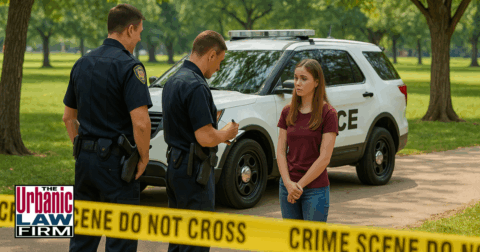 News outlets recently reported that former congressional staffer Natalie Greene claimed she was ambushed on a New Jersey trail, zip tied, cut, and branded with phrases like “TRUMP WHORE” and “VAN DREW IS RACIST.” The Daily Mail, the U.S. Department of Justice, and The Daily Beast all describe charges for conspiracy, hoaxes, and lying to federal agents.
If you’ve been accused of a similar offense in Oklahoma, reach out for a free consultation. You can contact the Urbanic Law Firm here to talk about your specific situation before you say anything else to law enforcement.
What Happened in the Reported “Trump Whore” Hoax
According to the federal complaint, Greene’s co-conspirator called 911 and reported a politically motivated attack with a gun. Officers later found Greene zip tied, bleeding, and screaming that one attacker had a firearm. She repeated the story to local officers and an FBI agent. However, investigators say phone records, zip tie purchases, and a paid scarification session showed the “attack” was planned. In other words, the case now looks like a scripted scene designed to trigger a high-stakes law enforcement response.
While this all happened in New Jersey and ended up in federal court, the core legal issues travel. Oklahoma has its own crimes for falsely reporting violence, conspiring with others, and creating fake evidence. If something like this unfolded in Oklahoma, you could face a stack of state charges on top of any possible federal exposure.
Oklahoma Crimes That Could Apply in a Similar Hoax
If prosecutors in Oklahoma believed you staged a violent political attack, they’d likely start with false reporting of a crime under 21 O.S. § 589. That law makes it a crime to willfully and knowingly communicate false information about a crime or emergency to law enforcement without probable cause. When officers mobilize, secure a scene, or open a major investigation, prosecutors treat the lie as more than just “bad judgment.” Penalties can include jail time, fines, and a permanent criminal record.
Because the Greene scenario allegedly involved planning with another person, Oklahoma’s conspiracy statute—21 O.S. § 421—would also be on the table. Under that law, you can be charged when you agree with at least one other person to commit a crime and someone takes even a small step toward carrying it out. Buying zip ties, paying a scarification artist, or scouting locations could all count as “overt acts” in a similar Oklahoma case.
Investigators say Greene lied to officers and an FBI agent about being attacked at gunpoint. In Oklahoma, that kind of behavior can overlap with obstructing an officer under 21 O.S. § 540. When you knowingly give false information that delays or misleads officers in their duties, prosecutors can treat it as obstruction, even if you never touch an officer. That means you might face both false reporting and obstruction charges from the same series of lies.
Prosecutors could also frame parts of a staged scene as evidence crimes. Oklahoma’s evidence-related offenses include offering false evidence under 21 O.S. § 451, preparing false evidence under 21 O.S. § 453, and destroying evidence under 21 O.S. § 454. When you create fake injuries, plant props, or manipulate physical items so officers treat them as proof of a crime that never happened, you risk landing in this group of serious “obstruction of justice” style charges.
How an Oklahoma Investigation Like This Could Unfold
If a similar report came in here, Oklahoma officers would respond as if the threat were real. They’d secure the area, document your injuries, and record statements from everyone involved. After that initial burst of activity, investigators would dig into digital evidence. They’d likely pull your phone records, location data, search history, and any messages you exchanged with friends. If you bought zip ties the day before, talked about staging an attack, or searched for body-modification services, those details would show up quickly.
Once officers suspect a hoax, the tone changes fast. You could be invited “just to clear things up” or called in for a “follow-up interview.” That’s usually when people talk themselves into deeper trouble. In Oklahoma, anything you say can be used to support charges under 21 O.S. § 589, § 540, or the evidence statutes. Because investigators may already have your phone or other records, they’ll test every detail you give them.
What You Should Do If Oklahoma Police Think You Lied
When officers start suggesting your story doesn’t add up, you’re not in a friendly chat anymore. You’re in the danger zone. At that point, you should remember you don’t have to keep talking without a lawyer. You have the right to remain silent and the right to counsel. Using those rights isn’t an admission of guilt; it’s how you protect yourself while you figure out what the state actually knows.
A good Oklahoma criminal defense lawyer will review the evidence, examine whether officers respected your rights, and look for weaknesses in the state’s case. Sometimes investigators misread messages, misunderstand mental-health issues, or overlook alternative explanations. Other times, the focus shifts to reducing exposure—arguing for misdemeanors instead of felonies, limiting the number of counts, or negotiating a resolution that keeps you out of prison and protects your future as much as possible.
Frequently Asked Questions About Oklahoma False Reporting Cases
What is false reporting of a crime in Oklahoma?
In Oklahoma, false reporting of a crime means you willfully and knowingly give law enforcement fake information about a crime or emergency without probable cause. You’re not just “exaggerating” when you do that. You’re causing officers to waste time, resources, and sometimes emergency responses on something that never happened. Under 21 O.S. § 589, you can face criminal penalties, and the case may be treated even more seriously if the lie involves violence, weapons, or political motives.
Can you be charged in Oklahoma if police think you staged an attack?
Yes, you can absolutely be charged in Oklahoma if officers think you staged an attack and then reported it as real. Prosecutors might use 21 O.S. § 589 for false reporting of a crime and 21 O.S. § 540 for obstructing an officer. If someone helped you plan or pull off the fake scene, you could also face conspiracy charges under 21 O.S. § 421. When fake injuries, props, or documents are involved, evidence crimes such as preparing false evidence under 21 O.S. § 453 might come into play too.
What are the penalties for false reporting of a crime in Oklahoma?
Penalties for false reporting of a crime in Oklahoma depend on the facts. Under 21 O.S. § 589, you can face jail time, fines, and probation. The stakes rise if your lie triggers a large police response, involves guns, or looks like a hoax designed to inflame politics or grab media attention. Prosecutors might stack charges like obstruction or conspiracy on top of false reporting, which increases your overall exposure. A conviction also creates a permanent record that can follow you into jobs, licensing, and background checks.
How does conspiracy law work in Oklahoma when more than one person is involved in a hoax?
In Oklahoma, conspiracy under 21 O.S. § 421 kicks in when you agree with another person to commit a crime and someone takes even a small step toward that plan. You don’t need a signed contract or a long-term scheme. Buying props, scouting a location, or rehearsing a bogus story can be enough. If you and a friend allegedly plan a fake attack and one of you calls 911, both of you can be charged. That’s true even if the hoax falls apart quickly or no one is physically injured.
What should you do if Oklahoma investigators think your report was false?
If Oklahoma investigators suggest they think your report was false, you should stop talking about the incident until you’ve spoken with a lawyer. Politely tell officers you’re invoking your right to remain silent and want an attorney. Then contact an experienced Oklahoma criminal defense lawyer right away. A lawyer can talk to investigators for you, review the evidence, and help you avoid making statements that could support charges under 21 O.S. § 589 or related statutes. Acting quickly gives you the best chance to protect your rights and your future.
Contact The Urbanic Law Firm
If you’ve been charged with filing a false police report, obstructing an officer, or any other criminal offense in Oklahoma, contact The Urbanic Law Firm today. Call 405-633-3420 or fill out our form.
Based in Oklahoma City and serving clients statewide.
This page is for informational purposes only and is not legal advice. Every case is unique; consult an attorney about your specific situation. Page last updated November 20, 2025. Consult the statutes listed above for the most up-to-date law.

OnlyFans LSU Game Arrest: Oklahoma’s Indecent Exposure Laws

Matt Gaetz Scandal Explodes as Oklahoma Raises Age of Consent

Coal County Sheriff Indictment & Oklahoma Charges | Urbanic Law

JD Vance’s ‘Hillbilly Elegy’ Prison Drug Smuggling & Oklahoma Law

GOP Staffer Sex Slur Hoax Case – How Oklahoma Law Applies